

Training next to Vladimir Shmondenko, better known online as Anatoly, is wild. At Strong Gym HQ I watched a 78‑kilogram lifter pull the same heavyweight deadlift sets I was doing, even though he’s roughly half my size. This session turned into a masterclass in high‑volume training, conditioning, and mindset.
In this breakdown, I’ll walk you through how Vladimir trains, thinks, eats, and recovers. Whether you’re lifting in a packed gym, hitting a home setup with bands and a barbell, or just getting started, you’ll find ideas you can adapt to your own training. The focus here is simple: smart programming, serious effort, and a mentality that doesn’t care what the scale says.
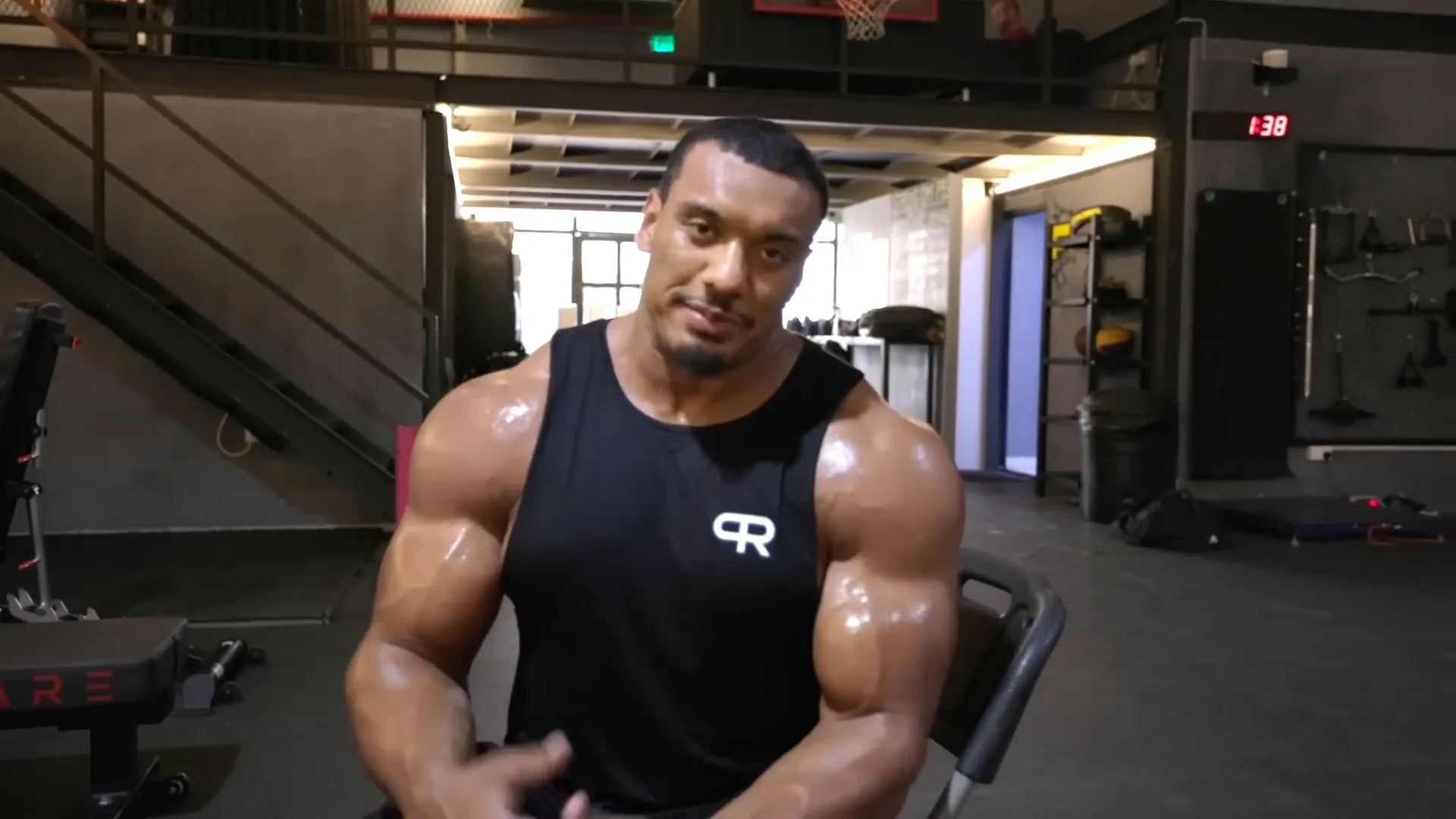
Table Of Contents
This session with Vladimir Shmondenko covers much more than one heavy deadlift workout. Here’s what you’ll find below:
Introduction To Vladimir Shmondenko (Anatoly) And His Fitness Achievements
Anatoly At A Glance: Key Stats
From Farm-Built Gym To World Stages: Early Life And Powerlifting Roots
Lifting PRs: How Strong Is Vladimir Shmondenko?
The Deadlift Volume Training We Used
Training Techniques And Tips For Deadlift Mastery
Anatoly Persona: From Powerlifting Platform To Viral Gym Pranks
The Role Of Nutrition And Supplements In Training
Conditioning And Intensity For Strength Athletes
Overcoming Challenges And Building Confidence
Planning Your Workout: From Volume To Peak Performance
Coaching, Community, And Training Gear
Workout Highlights And Key Moments
Frequently Asked Questions
Final Thoughts
Anatoly At A Glance: Key Stats For Vladimir Shmondenko
Before we dive into the training details, here are some quick facts about Vladimir Shmondenko (Anatoly):
Stat |
Detail |
|---|---|
Birth Date |
August 10, 1999 |
Height |
1.80 m (5 ft 11 in) |
Bodyweight |
78 kg (172 lb) (training bodyweight during our session) |
These numbers don’t look huge on paper, but once you see the weights he moves, they hit differently.
🔥 Introduction To Vladimir Shmondenko (Anatoly) And His Fitness Achievements
At Strong Gym HQ I had the chance to share a platform with Vladimir Shmondenko, and he lived up to every bit of his reputation. At around 78 kilograms, he was pulling the same working sets I was, with clean technique and serious speed off the floor. His strength‑to‑weight ratio is off the charts.
Vladimir isn’t just an internet personality. He competes in alternative powerlifting federations and, as a teenager, pulled a 250‑kilogram deadlift at 77 kilograms bodyweight in Moscow using a suit and straps. He hit that number at just 18 years old, showing early on that he had elite potential.
What makes his story even more impressive is the physical change behind those numbers. As a teenager, Vladimir weighed around 59 kilograms and was very thin. Through consistent lifting, smart programming, and relentless effort, he added almost 20 kilograms of bodyweight while building serious strength. That kind of progress doesn’t come from luck—it comes from years of work most people never see.
“Strength is a long‑term project, not a quick fix.” — A reminder echoed by countless strength coaches, and Vladimir is a perfect example
From Farm-Built Gym To World Stages: Early Life And Powerlifting Roots
To understand how Vladimir Shmondenko became “Anatoly,” you have to look at where he started.
Vladimir was born on August 10, 1999, in a small village near Krishtopovka, Ukraine. He grew up on a cattle farm with no access to a commercial gym, fancy equipment, or a professional coach. Instead of seeing that as a barrier, he turned it into motivation.
As a young teenager he built his own training setup from whatever he could find—old Soviet tractor parts, car wheels, wood, and bricks. That homemade gym is where he taught himself to squat, press, and pull. Every session was trial and error. He experimented with different exercises, angles, and training “hacks,” slowly figuring out what worked for his body.
By 14 he was already lifting regularly. By 15 he had dialed in a simple, disciplined diet built around cottage cheese, eggs, and oats to fuel his training. On top of that, he worked demanding jobs—outdoor labor, waiting tables, courier work—while still finding time to train.
All that self-taught groundwork led him to powerlifting. Between 2017 and 2018, Vladimir won the Teenager category of the Kyiv Cup twice. In 2018 he took third place at the GPA World Championships in the Teenager 18–19 class and later earned recognition as an International Powerlifting Deadlifting Master. The “Anatoly” you see in viral videos today was built on years of serious competition and disciplined training long before the pranks.
Lifting PRs: How Strong Is Vladimir Shmondenko?
Numbers matter in strength sports, and Vladimir Shmondenko has the stats to back up his reputation.
Here are some of his well-known best lifts at around 78 kg bodyweight:
Deadlift: 290 kg (640 lb)
Squat: 160 kg (350 lb)
Bench Press: 100 kg (220 lb)
Put that in perspective: his deadlift is well over 3.5 times his bodyweight. For most lifters, hitting twice bodyweight is a big milestone. Vladimir is in a different league.
During our session, watching him handle 240‑kilogram deadlift volume work with speed and control showed that these aren’t just “meet day” numbers. They’re the result of week‑in, week‑out training built on consistency and smart planning.
💪 The Deadlift Volume Training We Used

One of the most intense parts of our training together was Vladimir’s volume-based deadlift workout. Many lifters walk into a session planning one heavy top set and a couple of back‑off sets. Vladimir’s approach that day was different.
We pushed through nine sets of five reps at 240 kilograms—the same working weight for both of us. That’s a huge amount of total work with a very heavy load.
This kind of volume training builds:
Strength
Work capacity
Explosive power
Grip and mental toughness
As coaches like Louie Simmons have long stressed, the right training volume is what lets you get strong and stay healthy enough to keep progressing.
Over the weeks, the plan was to steadily increase the weight while gradually lowering the total rep count, aiming to hit a heavy double or triple soon. This style of training prepares your body and nervous system to handle heavier loads with better speed off the floor and more control at lockout.
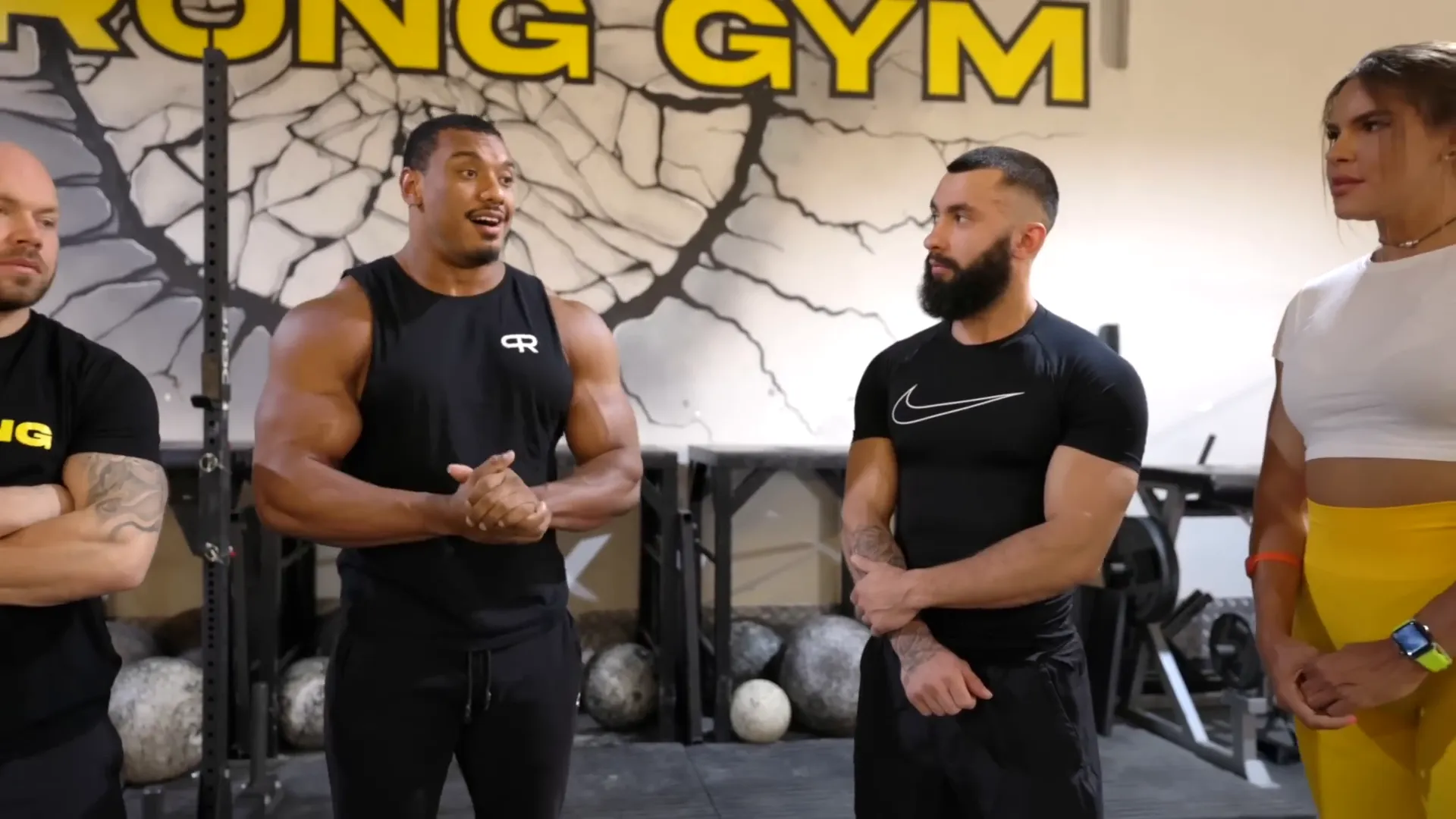
Sessions like this are demanding. You feel wrecked afterward, but as you repeat them, recovery improves. The key is managing intensity and rest so progress stays sustainable instead of burning you out.
If you’re not at Vladimir’s level yet (most people aren’t), you can still use this structure:
Choose a weight you can lift for about 8 good reps
Perform 5–8 sets of 3–5 reps
Rest 2–3 minutes between sets
Add a small amount of weight each week or an extra set when you feel strong
This method scales to any level—from beginners in basic gym gear to advanced lifters chasing big PRs.
⚡ Training Techniques And Tips For Deadlift Mastery

During our workout, technique was everything. Moving big weight is impressive, but doing it common gym injuries is what keeps you progressing year after year. Here are some of the main training approaches we focused on with Vladimir Shmondenko:
-
Sumo Deadlift Stance
Vladimir pulls sumo, with a wide stance and toes slightly turned out. This stance reduces range of motion and demands more from the hips and quads.Great if you have long legs or a shorter torso
Can reduce lower‑back stress when done correctly
Forces you to push the floor apart, not just yank the bar up
-
Pausing And Exploding
We used paused leg presses to mimic the bottom position of the deadlift.Hold the weight for a two‑count at the bottom
Stay tight, then explode upward
This builds power off the floor and helps you stay strong through the most difficult part of the range.
-
Speed And Bar Path Focus
Instead of letting the bar drift or lowering it lazily, we emphasized:Controlled lowering
Aggressive, fast pulls
Keeping the bar close to the shins and thighs
Speed work like this teaches your nervous system to move heavy loads quickly, which carries over directly to PR attempts.
Conditioning For Strength
We kept rest periods between two and three minutes. That’s long enough to recover strength, but short enough to keep the heart rate up. This style of training is perfect for powerlifting and strongman, where you need repeated heavy efforts with limited rest.-
Bracing And Setup
Before every rep, Vladimir dialed in his setup:Feet planted and stable
Big breath into the belly
Lats locked in, chest up
Practicing that same setup rep after rep builds consistency. Your heavy lifts should feel like your warm‑ups—just heavier.
Footwear And Equipment
Flat, stable shoes, a good belt, and, for some sets, lifting straps made it easier to focus on the pull instead of grip fatigue. Gear doesn’t replace strength, but it helps you use what you already have more safely and efficiently.
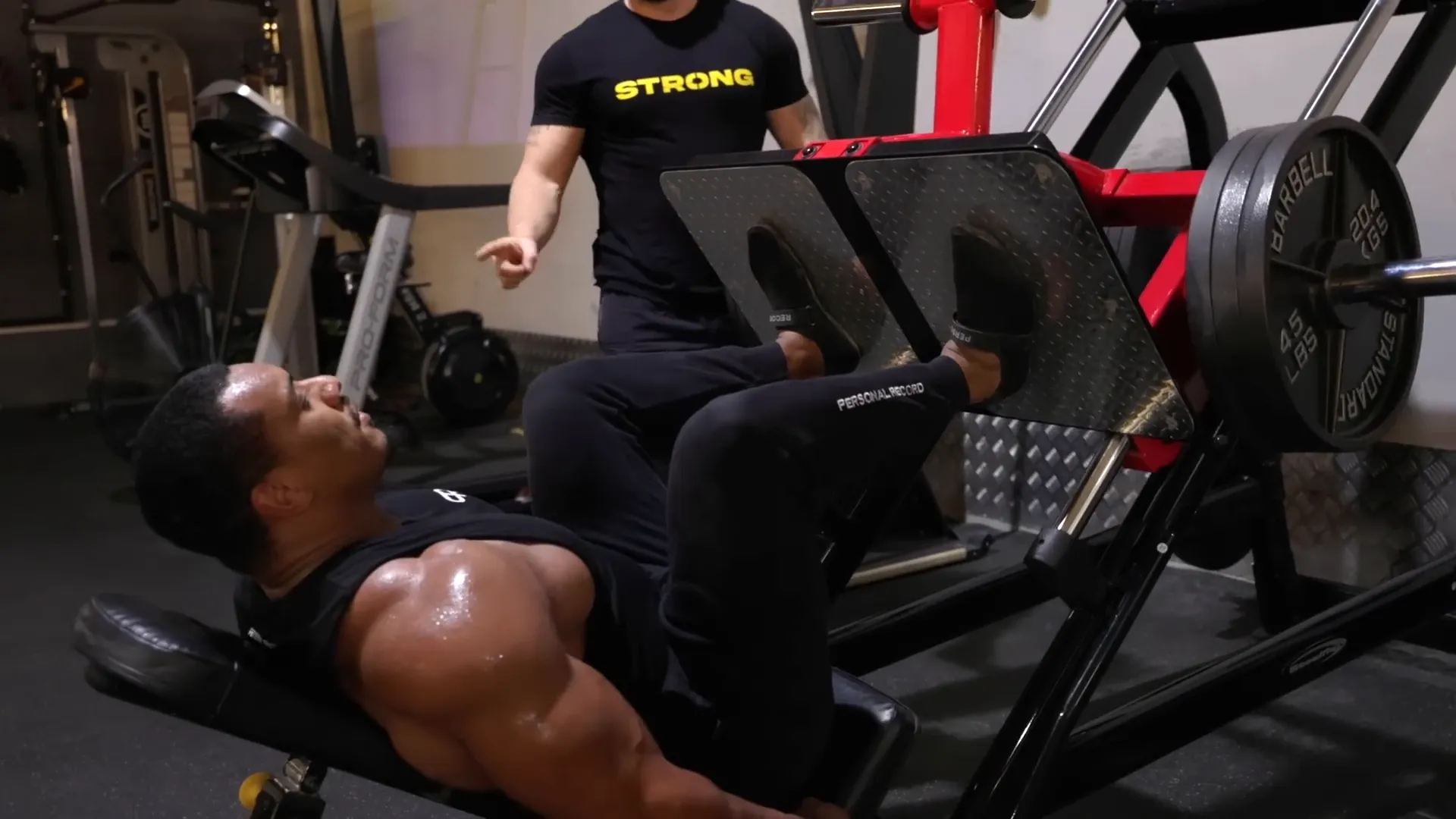
You don’t need to match Vladimir’s numbers to benefit from these techniques. Apply them to your own training and you’ll see your deadlift—and your overall confidence in the gym—start to climb.
🧠 Anatoly Persona: From Powerlifting Platform To Viral Gym Pranks
Most people first discovered Vladimir Shmondenko not on the platform, but as the hilarious and insanely strong “Anatoly” in viral gym prank videos.
Back in 2015, Vladimir started posting training clips online—raw, basic content from his homemade gym in Ukraine. For a few years, it was strictly training and education. Things changed in 2019 when he moved to Moscow and started filming Russian‑language prank videos in commercial gyms.
The concept was simple but brilliant:
He disguised himself as an unsuspecting cleaner or an older man
He walked around “cleaning” near lifters grinding out heavy sets
Then he casually picked up their weight—sometimes with one hand—like it was nothing
To sell the act, he even used a custom mop and bucket weighing over 32 kilograms (71 lb). The reactions were priceless: shock, disbelief, respect.
After the Russian invasion of Ukraine in 2022, Vladimir relocated to Dubai. That’s where he pivoted again—this time to English‑language content aimed at a global audience. He taught himself English, launched his “Anatoly” channel, and his videos started pulling Vladimir's powerlifting viral pranks on YouTube, TikTok, and Instagram.
Today, with a combined following in the tens of millions, Vladimir Shmondenko uses the Anatoly persona to blend comedy, serious strength, and gym culture in a way that speaks to lifters all over the world. The session you’re reading about is the same strength you see in those pranks—no camera tricks, just years of hard work.
🏋️♂️ The Role Of Nutrition And Supplements In Training

High‑volume days like nine sets of heavy deadlifts demand serious fuel. You can’t fake energy at that level.
Vladimir and I both lean on a mix of whole foods and targeted supplements. A common choice after sessions like this is a quality post‑workout drink—such as the formulas we review on Guru Muscle or products like Gorilla Mind Post Workout—that combine fast‑acting carbs with creatine.
Here’s why that matters:
Fast‑Acting Carbs
When you’re knocking out high‑volume sets, your muscles burn through stored glycogen fast. Easy‑to‑digest carbs help refill those stores so you can keep pushing through the later sets instead of crashing.Creatine
Creatine supports short, explosive efforts like heavy triples and sets of five. It helps you squeeze out extra reps and recover better between sets, especially in repeated efforts like the deadlift session we ran.
But supplements are just one part of the picture. For a setup like Vladimir’s, you also want:
Plenty of protein: Aim for roughly 0.7–1.0 grams per pound of bodyweight
Consistent carbs: Rice, oats, fruit, potatoes—cheap, effective fuel
Healthy fats: Eggs, nuts, olive oil, fatty fish for hormones and joint health
Hydration: Electrolytes and plenty of water, especially if you’re sweating through tough sessions or training in a warm climate
“You can’t out‑train a bad diet.” — A saying every experienced lifter learns sooner or later
If you’re interested in supplements to support your training, you can start with the guides on Guru Muscle and explore products from brands such as Gorilla Mind to see what fits your needs. Just remember: useful nutrition facts—supplements fill in the gaps.
🔥 Conditioning And Intensity: The Secret To Sustained Progress

One of the toughest parts of high‑volume strength work is holding your intensity from the first set to the last. That’s where conditioning comes in.
During this session, Vladimir Shmondenko and I kept rest short—about two to three minutes—and paid attention to breathing and heart‑rate control. Instead of slumping on a bench between sets, we stayed moving lightly, focused on deep breaths, and got our minds ready for the next pull.
For strength athletes, conditioning isn’t about running marathons. It’s about:
Recovering quickly between heavy sets
Keeping power output high even when you’re tired
Being able to handle full training sessions without your form breaking down
Conditioning is especially important in strongman and some powerlifting meet formats, where you may need to perform multiple heavy events or attempts in a relatively short window.
A simple way to build this into your own training:
Add 5–10 minutes of light sled pushes, bike intervals, or brisk walking after your main lifts
Use shorter rests on accessory work (60–90 seconds)
Keep a conversational pace where you can breathe, but your heart rate stays slightly higher than normal
Do this consistently and military workout instead of draining you for the rest of the week.
💡 Overcoming Challenges And Building Confidence
None of what you see from Vladimir Shmondenko came easy.
He started as a very skinny 59‑kilogram teenager lifting in a homemade gym. There was no big sponsorship, no fancy setup, and no guarantee that anyone would ever watch his videos. What he did have was consistency and a willingness to learn.
Over time:
The numbers on the bar climbed
His bodyweight increased in a controlled, lean way
His confidence grew with every PR and every successful training cycle
That confidence is visible now—whether he’s stepping up to a heavy bar in our session or walking into a gym in disguise as Anatoly, he knows what he can lift.
“Strong people are harder to kill than weak people and more useful in general.” — Mark Rippetoe
If you’re in a similar place—feeling small, stuck, or intimidated by heavier lifters—take a page from Vladimir’s playbook:
Track your progress: Log your top sets, volume, and how you feel
Set small goals: Add 2.5–5 lb to the bar, an extra rep, or one more set
Film your lifts: Watch your technique, celebrate improvements, and fix weaknesses
Stay patient: Real strength is built over years, not weeks
We’re increasing Vladimir’s training weights steadily while keeping him healthy. That’s the formula for long‑term success—especially if you have meet dates or competitions on the calendar.
📅 Planning Your Workout: From Volume To Peak Performance
The training cycle we used for Vladimir Shmondenko wasn’t random. It followed a simple, effective structure that you can adapt for your own goals.
-
Volume Phase
High reps and multiple sets (like nine sets of five at a challenging weight)
Builds work capacity, muscle mass, and technical consistency
Typically lasts 3–6 weeks
-
Strength Phase
Weight starts to climb while total reps drop
More doubles and triples, fewer long sets
Focus is on handling heavier loads with solid form
-
Peaking Phase
Very heavy singles, doubles, or triples
Low overall volume to reduce fatigue
Includes variations like block pulls or deficits to attack weak points
-
Competition Prep / Taper
Volume and intensity both come down slightly
Goal is to feel fresh, explosive, and mentally sharp on meet day
This method keeps your body adapting instead of stalling. You can mirror this even if you don’t compete:
Use the volume phase to build muscle and conditioning
Shift into a strength phase when you want to push your main lifts up
Run a brief peak to test new maxes safely, then back off and repeat
Home lifter? You can follow the same pattern with resistance bands, adjustable dumbbells, and a barbell setup. The tools change, but the structure stays the same.
🤝 Coaching, Community, And Training Gear

Having a solid coach and training crew changes everything.
Working with a coach like Mark Boyd keeps training intentional. A good coach:
Spots technique issues you don’t feel
Adjusts your plan when life or recovery gets in the way
Pushes you on days you’re tempted to coast
Training partners and an online community matter too. Vladimir has talked about how watching my videos helped him break through his own limits. Now his content is doing the same thing for millions of other lifters—men and women who lift in commercial gyms, home garages, and small local spots all over the world.
Gear also plays a role. For heavy pulling, I recommend starting with reliable equipment from brands we feature on Guru Muscle, including:
Figure‑eight straps from PSL.com – These give you a locked‑in grip so you can focus on driving through your legs and hips instead of worrying about your hands.
Quality leather belts like the ones from Gymreapers – A good belt supports your core and helps you brace better on big squats and deadlifts.
You can check out Guru Muscle for training advice and gear breakdowns, and visit PSL.com for straps and other training tools that hold up under serious weight. Whether you’re lifting in leggings and a crop top, shorts and a tee, or basic sweats, the community you build and the tools you use can make every session feel more intentional.
📸 Workout Highlights And Key Moments
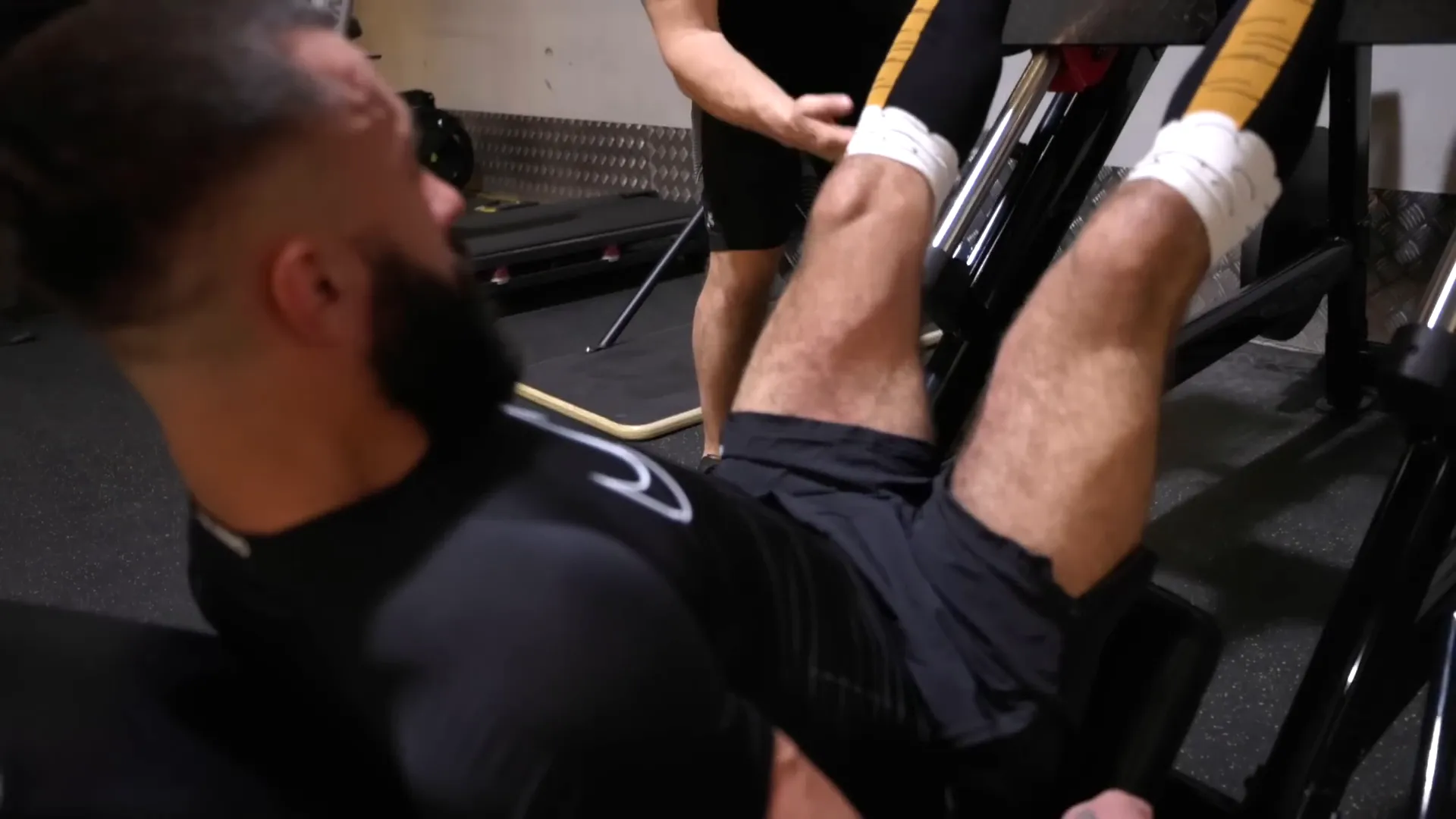
A few standout moments from this session with Vladimir Shmondenko:
The first set at 240 kg set the tone. Vladimir moved the weight like a warm‑up, with serious speed off the floor.
By the middle sets, fatigue started to creep in, but technique never slipped—tight setup, explosive pull, smooth lockout every time.
Even on the final sets, when most people would call it a day, he stayed locked in and aggressive, showing the kind of focus that produces long‑term progress.
If you watch the full video of this workout, pay attention to the small details—foot placement, breathing, how he resets between reps. That’s where a lot of his “secret sauce” really is.
❓ Frequently Asked Questions (FAQ) ❓
Q: How Does Vladimir Manage To Deadlift The Same Weight As Larry Wheels Despite Being Half His Size?
A: Vladimir’s strength comes from a combination of years of focused training, smart volume work, and dialed‑in technique. He’s spent a decade refining his setup, stance, and bar path so every pull is efficient. On top of that, his conditioning and mental toughness let him handle heavy weights for multiple sets without breaking down—something you build only through consistent hard work.
Q: What Is Volume Training, And Why Is It Effective?
A: Volume training means doing multiple sets and reps with moderate to heavy weights instead of just one big top set. It’s effective because it:
Builds muscle and work capacity
Improves your technique under fatigue
Prepares your joints, tendons, and nervous system for heavier loads later
By increasing training volume strategically, you make it easier to hit higher maxes during your strength and peaking phases.
Q: How Important Is Nutrition And Supplementation In Vladimir’s Training?
A: Nutrition is a huge part of why Vladimir Shmondenko can handle the work he does. High‑volume deadlift days are basically full‑body events—they drain your energy, your nervous system, and your muscles. Fast‑acting carbs and creatine help him maintain performance and recover between sessions.
Supplements like post‑workout formulas from brands such as Gorilla Mind, combined with a diet rich in quality protein, carbs, and fats, give him the raw materials to rebuild stronger. Without that foundation, no training plan—no matter how good—will deliver its full result.
Q: What Role Does Conditioning Play In Strength Training?
A: Conditioning improves your cardiovascular fitness and muscular endurance, which lets you:
Maintain bar speed deep into your workout
Hold your technique when you’re tired
Bounce back faster between heavy training days
For strongman events and powerlifting meets where you perform multiple heavy lifts with limited rest, conditioning can be the difference between fading out and finishing strong.
Q: How Does Coaching Impact An Athlete’s Progress?
A: A certified fitness trainer is like a cheat code for long‑term progress. They:
Provide objective feedback on your form
Keep your plan aligned with your goals and recovery
Help you stay accountable when motivation dips
For Vladimir Shmondenko, having guidance and a strong training environment means he can keep pushing his limits without losing sight of technique or long‑term health.
Q: Can Beginners Use The Same Deadlift Volume Approach As Vladimir?
A: Beginners shouldn’t copy Vladimir’s exact numbers, but they can copy his structure. Start with:
A weight you can lift with perfect form
Fewer sets (3–5 instead of 9)
Longer rests if needed
Focus on clean reps, not ego lifting. As your strength and technique improve, you can slowly add more sets, more weight, or both.
Q: How Often Does Vladimir Deadlift Each Week?
A: While exact schedules change across training cycles, a structure like Vladimir’s usually includes one main heavy deadlift day and possibly one lighter or variation‑based day (like block pulls or Romanian deadlifts). That gives him enough practice without burning out his lower back or nervous system.
🚀 Final Thoughts: Own The Grind And Build Serious Strength
The story of Vladimir Shmondenko (Anatoly) shows that size isn’t everything. A 78‑kilogram lifter pulling massive weights, built from a farm gym in Ukraine and refined through years of disciplined training, now shocks the world in disguise while still respecting the craft of strength.
The high‑volume deadlift work, detailed technique, smart programming, and attention to nutrition and recovery we used in this session are the same tools you can use—whether you’re training in a commercial gym, a home setup, or anywhere in between.
At Guru Muscle, we love seeing lifters of all backgrounds chase big goals with smart plans and a strong community behind them. Take inspiration from Vladimir’s path:
Commit to consistent training
Respect the basics—sleep, food, and recovery
Build conditioning, not just max numbers
Surround yourself with people who push you to be better
You don’t need elite genetics or perfect conditions. You need a plan, patience, and the willingness to keep showing up. Stay strong, stay focused, and keep putting in the work—rep after rep, set after set.