

Everything You Need To Know About Vladimir Shmondenko ("Anatoly"), Shmodenko, Fitness, Powerlifter
Last updated: September 30, 2026
This article is a comprehensive look at the life and work of Vladimir Shmondenko a Ukrainian powerlifter, creator, and prankster widely known online as "Anatoly", based on the original video by the channel هل تعلم. Note: if you've searched for this athlete under his online alias, you're in the right place. "Anatoly" is the name he goes by across most of his prank and fitness content, and it's the identifier most fans use today. In the paragraphs that follow I break down his early life, training background, competitive milestones, YouTube journey, content style, personal life and lessons that can help anyone interested in strength sports or content creation. Throughout this piece I will refer to Shmodenko, fitness, powerlifter as a guiding keyphrase and explore what that label, alongside the Anatoly persona, means for an athlete who became a public figure through grit, creativity, and resilience.
Table of Contents
Early Life and Roots 🏡
Vladimir, the man fans now know online as Anatoly, was born on August 10, 1999, in a small village in central Ukraine. Growing up in a rural community shaped many of his formative habits: resourcefulness, independence, and a do-it-yourself approach. These traits would later show in both his training and content. The story of his first exposure to modern fitness culture began online when he was 14, watching American bodybuilding and fitness creators. Those early influences fed a determination: to become not only physically strong, but also a recognizable presence in the fitness world.
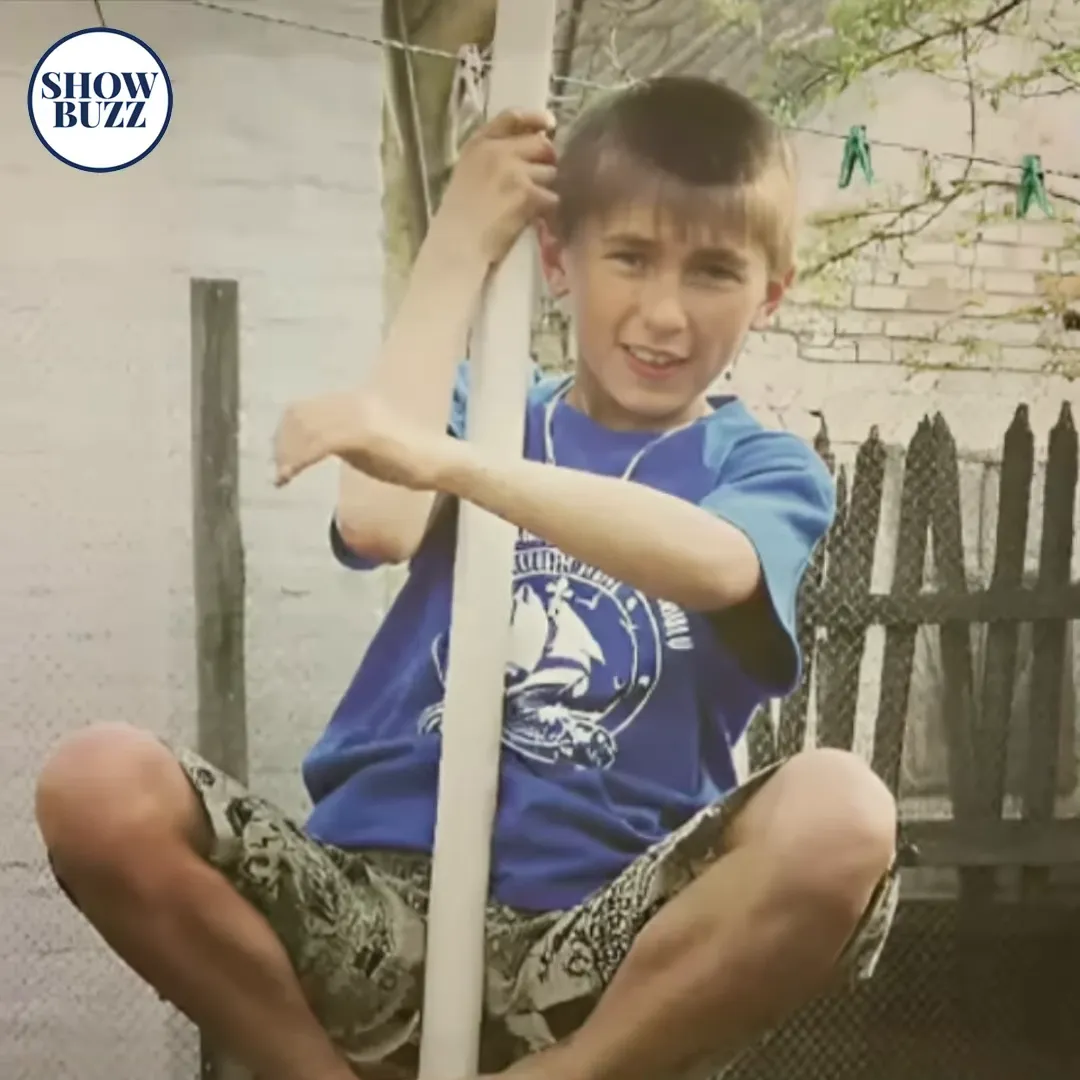
There was no commercial gym in his village. So, inspired by the athletes and creators he admired, Anatoly built a makeshift gym using salvaged tractor parts and other Soviet-era farm machinery, along with wood and bricks. Old tractor axles became makeshift squat racks, and cast-off gears and plates from retired farm equipment doubled as weights. He jokingly named it "Gold's Gym" after a famous chain, but localized it with his village name. This tractor-powered gym became his laboratory, a place where he learned to lift, fail, recover, and improve. It's a perfect example of how environment and mentality combine: limited resources, unlimited determination. The image of that early gym built from farm machinery remains central to understanding why Shmodenko, fitness, powerlifter is more than a label, it's a lifestyle forged from scarcity.
Education and the Move to the City 🎓
After completing school locally, Vladimir moved to Kyiv to pursue a bachelor's degree at the National University of Life and Environmental Sciences of Ukraine. While studying, he worked night and day, waiter shifts and courier deliveries, to afford a camera (a Canon 600D) and to support his training and content production. These years in Kyiv were formative: they marked the transition from a village athlete to an urban competitor and content creator.
This period also introduced the discipline needed for juggling college, work, training, and a budding YouTube channel. The willingness to grind, save, and invest in quality tools put him on a path where both athletic and digital growth could progress together. The combination of a formal education and relentless self-driven training gave him a perspective that many one-track athletes lack: a balance between career planning and athletic ambition.
Competitive Powerlifting Career 🏋️♂️
Vladimir's competitive timeline is straightforward and steep: regional competitions, national appearances, and then international recognition. In 2018 he clinched a regional title and placed third in Kiev at the world championship level. After moving to Moscow following graduation, he continued to push both his lifts and his visibility.
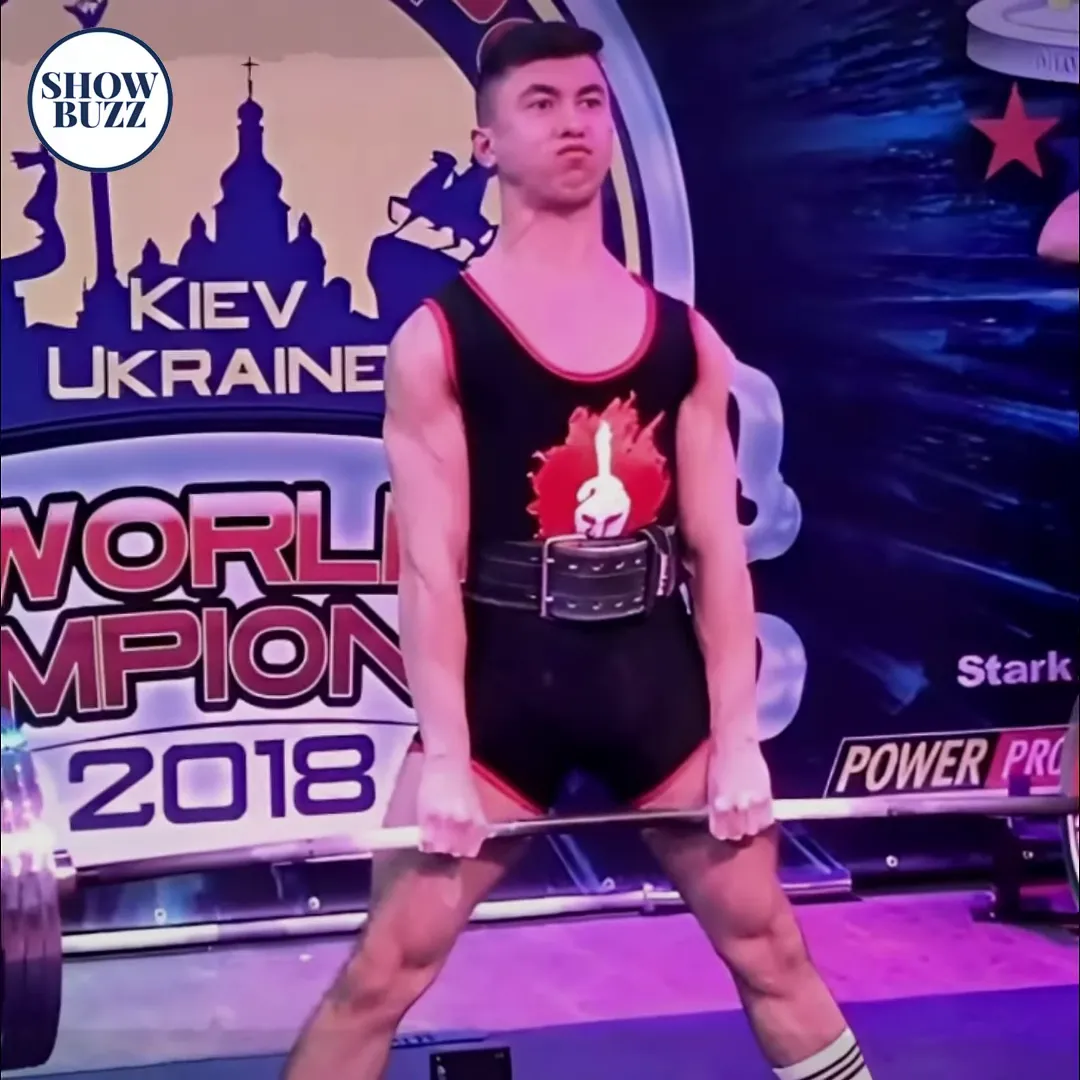
By 2020 he had earned the title of Master of Sports of International Class in powerlifting, a recognition reserved for elite athletes whose powerlifting totals land them among the top performers in their weight class. For clarity, a powerlifting total is the combined best squat, bench press, and deadlift in competition. To earn the title at the international class level, his totals had to be world-class, within the top 10 in his weight category. That combination of raw strength and competitive consistency is what made the label Shmodenko, fitness, powerlifter accurate in the competitive sense.
Training essentials that Vladimir emphasized: consistency, technique, and progressive overload. From his early makeshift gym to professional platforms in larger cities, he kept the basics at the center. He treated recovery and methodical programming as pillars, and those principles are evident in his results. His evolution from village lifter to titled powerlifter shows that elite performance often stems from persistent daily work rather than sudden breakthroughs.
Strength Numbers Then and Now 📊
During his competition years around 2017-2019, Vladimir's totals reflected the top tier of his weight class, a combined squat, bench, and deadlift number that placed him within the top 10 internationally at his bodyweight. Competing at a lighter competition bodyweight than he carries today, his focus then centered on maximizing his total for judged meets rather than chasing single-lift personal records. Earning the Master of Sports of International Class title in 2020 required exactly that kind of top-tier total, not just strong individual lifts.
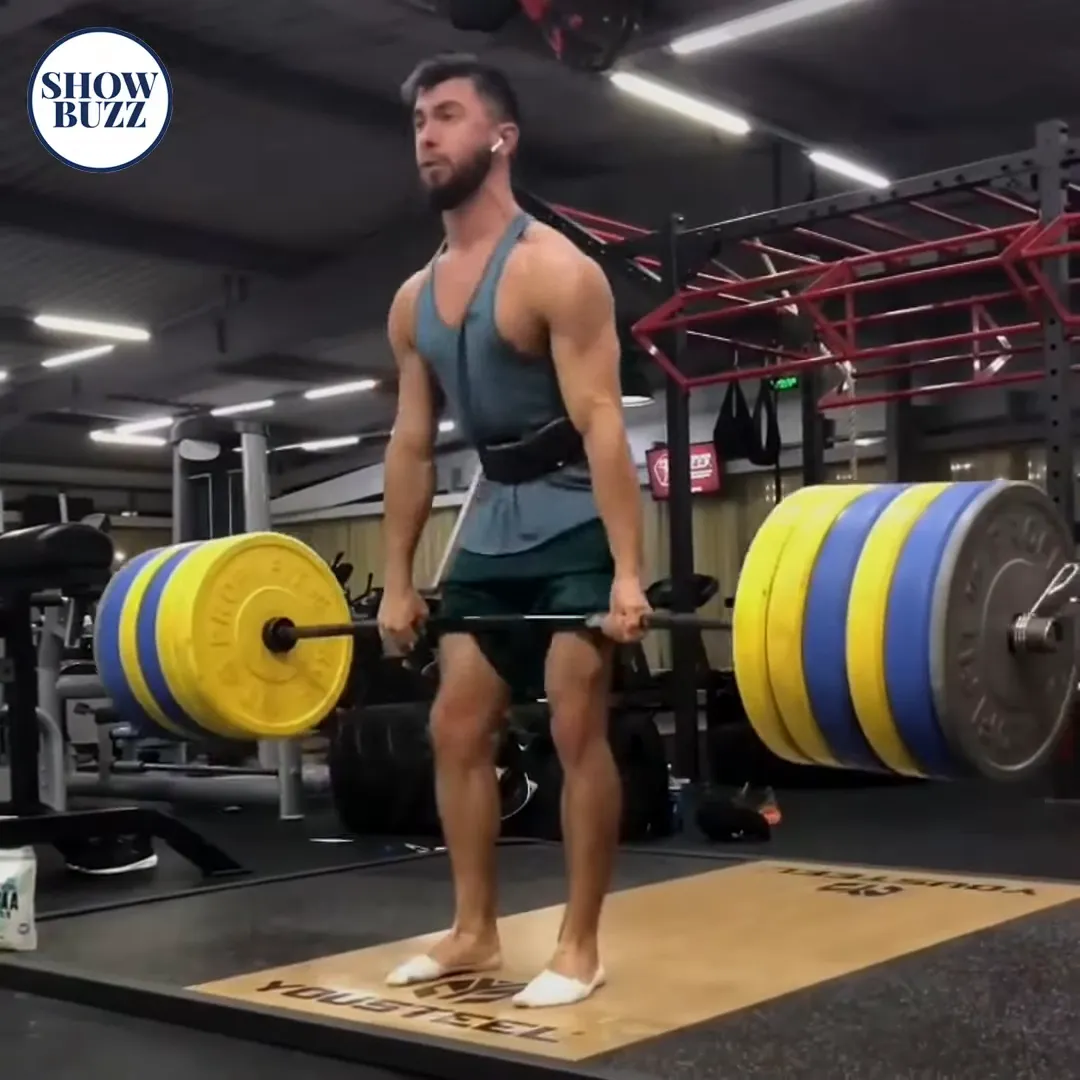
Since stepping away from formal competition, Vladimir has shifted his focus toward personal bests rather than meet totals. His current training, documented across his gym and prank content, shows a heavier, more filled-out frame compared to his lighter competition years, with an emphasis on bar-speed and top-end strength on the big three lifts rather than meet-specific peaking. Where his competitive numbers were built around a strict total across three lifts on a single day, his present-day numbers reflect off-season strength work: heavier singles pursued without the weight-class restrictions of formal competition. The shift illustrates a broader point: competition totals and lifetime personal bests measure different things, and both matter for understanding how a lifter's strength develops over time.
YouTube Journey and Content Style 🎥
Vladimir started his YouTube journey at 16. The first videos were simple workout clips filmed on a phone, but he steadily improved quality and storytelling. By 2016, after buying a Canon 600D, his productions became more polished. The combination of genuine training footage and personality-driven moments helped attract an audience: by the end of 2019 he had around 40,000 subscribers.
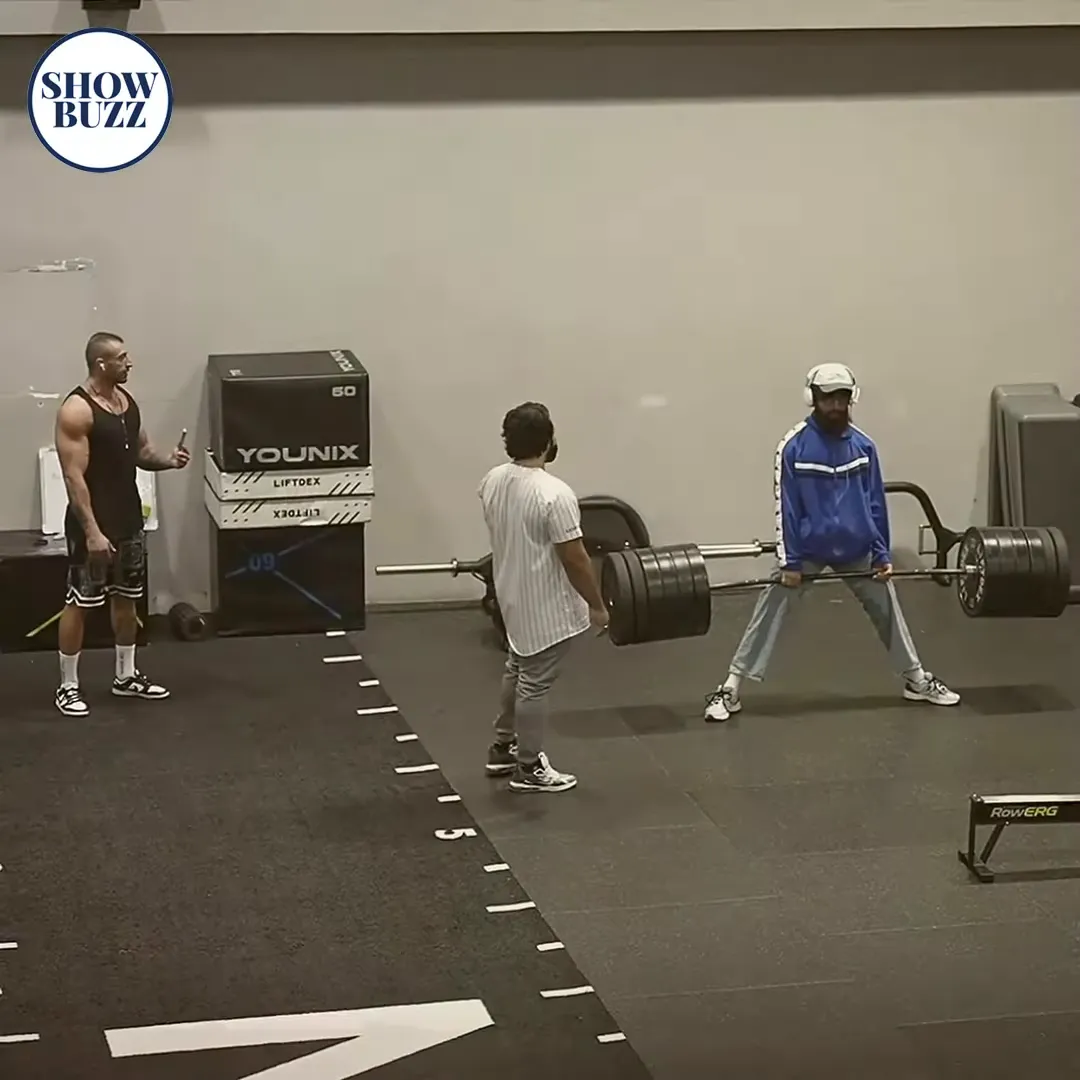
But his content repertoire didn't stop at lifting logs and PRs. Vladimir, now recognized by most viewers as Anatoly, cultivated a niche that blended strength culture and social experimentation: prank videos shot in disguise. He would transform into a cleaner, an elderly man, or a rookie trainer and enter gyms to prank trainers and patrons. These videos were comedic, disruptive, and showcased his charisma. They also highlighted a deeper point: content that resonates often mixes authenticity with surprise, Vladimir's background in powerlifting gave him the legitimacy, and his sense of humor created shareable situations.
In 2021 geopolitical upheaval forced a major life change. After war broke out between Russia and Ukraine, Vladimir sold most of his possessions and relocated to Dubai. In Dubai he faced a language barrier that could have halted momentum. Instead, he learned English and created a new channel aimed at English-speaking viewers, where the Anatoly name took hold as his primary public identity. The prank format translated well across cultures, and his English-language content broadened his audience internationally. The move shows adaptability: the ability to pivot platforms, formats, and language is crucial for creators who want to sustain growth across borders.
Creative Process and Prank Mechanics 🎭
Anatoly's prank videos are carefully staged yet feel spontaneous. The success of a disguised-prank depends on three elements: believable costuming, a plausible role, and the controlled escalation of the joke. Vladimir often chose personas that would appear harmless or incompetent, an old man struggling with weights, a janitor picking up gym plates, or a beginner coach offering questionable advice. The contrast between his real physical prowess and the role he played created the comedic tension that made these videos viral.
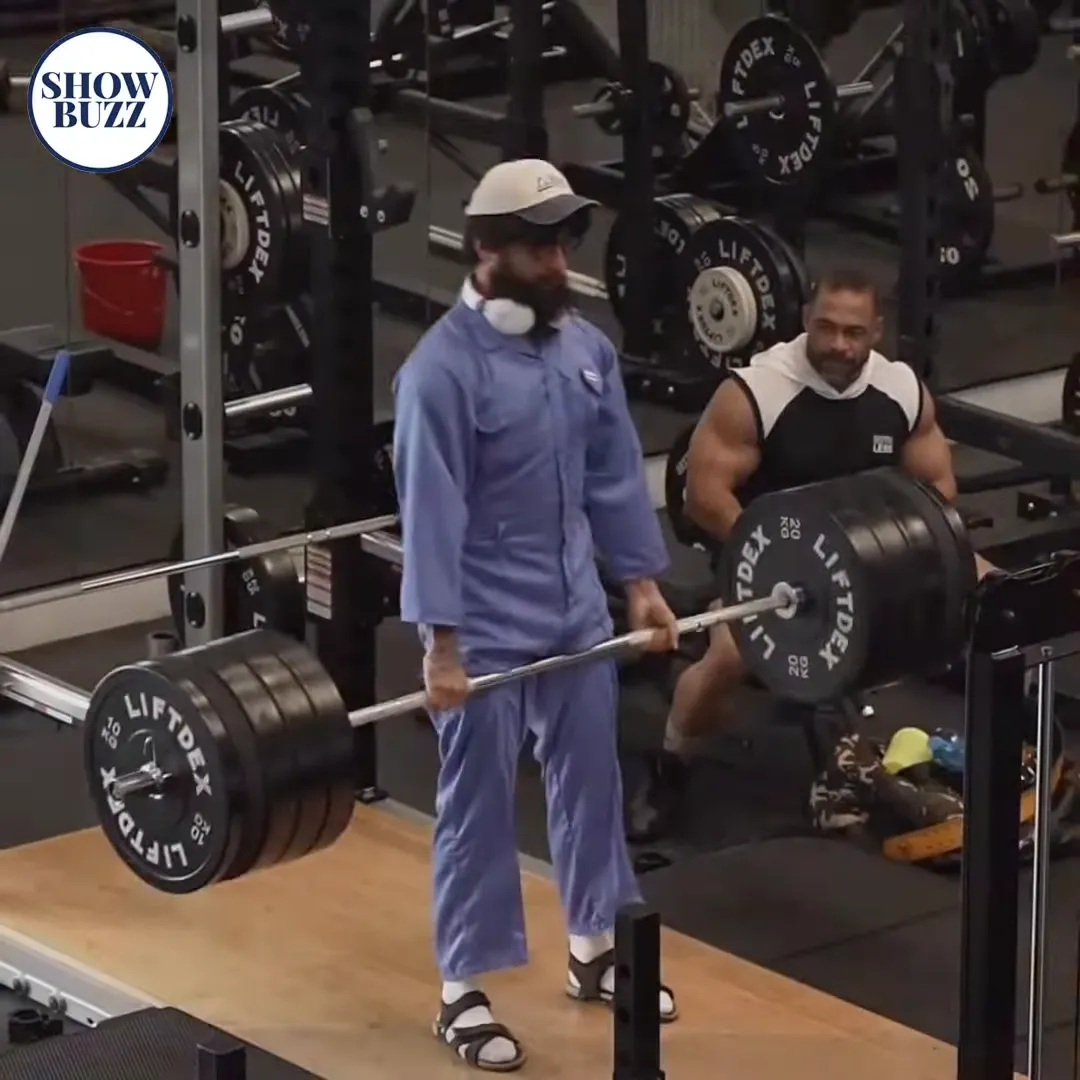
Ethically, prank content can be a grey area. Vladimir's pranks skewed toward light-hearted teasing rather than malicious deception. He typically revealed himself before anything truly harmful occurred and often showed the reactions in full, allowing viewers to see the resolution. This pattern, initial discomfort followed by mutual laughter, helps maintain a positive reception. Still, any creator attempting similar content should prioritize safety and consent: ensure stunts don't risk injury and avoid actions that could escalate into real conflict.
Training Philosophy and Gym Hacking 🛠️
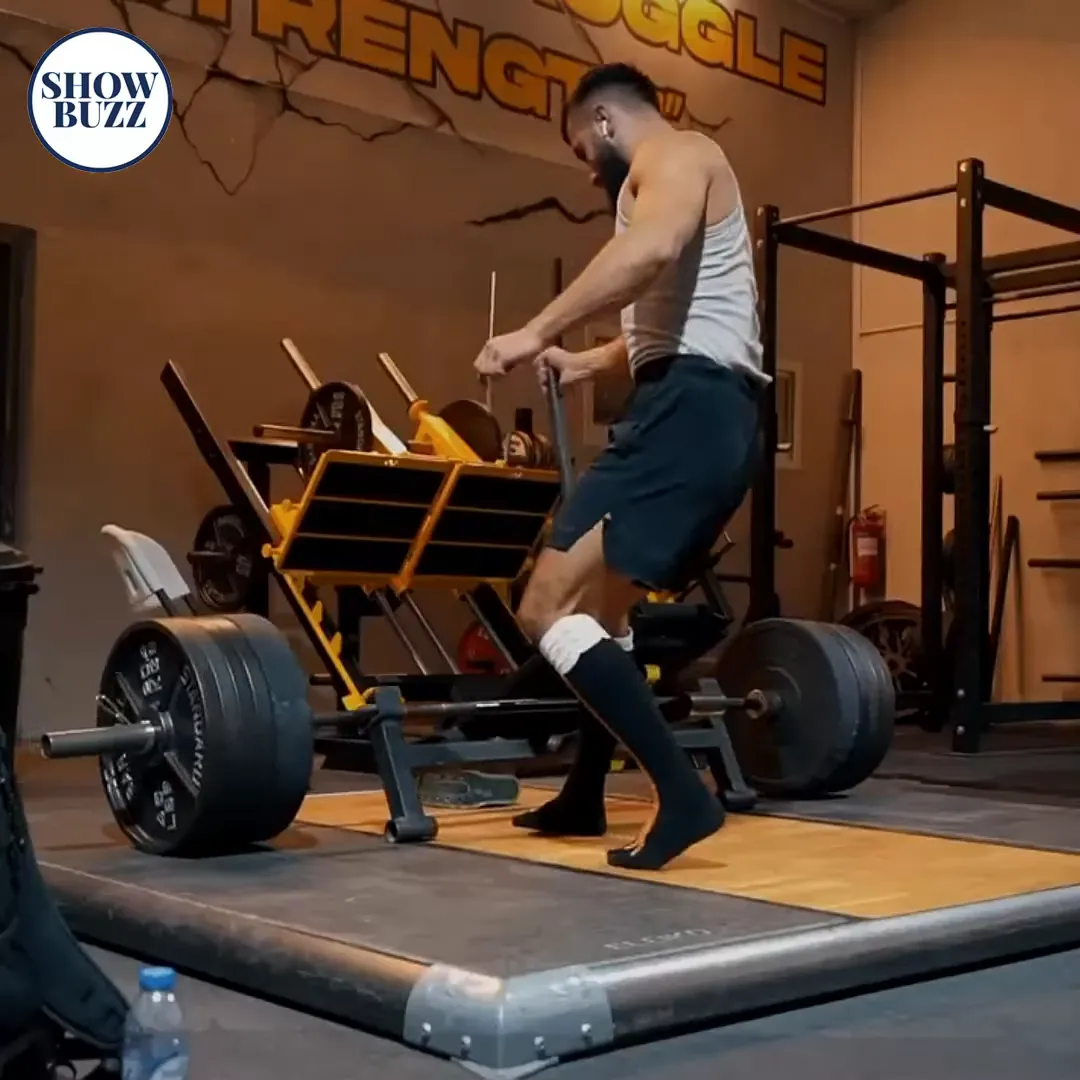
From building his own gym to preparing for international meets, Vladimir's approach to training stayed pragmatic. He emphasized foundational lifts: squat, bench press, and deadlift. His programming favored progressive overload and technique refinements rather than fads. During his competitive years, his weekly training volume centered on multiple heavy sessions for each of the big three lifts, paired with accessory work for the back, hips, and shoulders to support bar path and joint health.
Conditioning played a supporting role rather than a central one: short sessions of low-impact cardio, brisk walking, or light cycling, kept his heart and lungs working without eating into recovery needed for heavy lifting days. His diet during competition prep followed a straightforward high-protein, calorie-controlled structure to hit his weight class, while his off-season eating allowed more flexibility to support muscle gain and recovery. Sleep and rest days were treated as part of the program, not an afterthought, since he viewed recovery as the piece that let the heavy lifting actually translate into progress.
What makes his method useful beyond the competitive platform is how it adapts. In a full gym, he leans on barbells, racks, and calibrated plates for precise loading. In his DIY, tractor-parts gym, the same principles held with improvised equipment substituting for machines. For beginners following his approach at home, he recommends the same order of priorities: master bodyweight and light-load versions of the squat, bench, and deadlift pattern first, build consistency, then add load gradually rather than jumping straight to heavy weights.
Key training takeaways you can use:
Prioritize the big three: Squat, bench, and deadlift provide the most reliable strength gains for most lifters.
Consistency beats intensity spikes: Regular, measured progress is safer and more sustainable than unpredictable extremes.
Adapt equipment to goals: Make use of whatever is available; focus on movement quality, not gadgets.
Match conditioning to your goal: Keep cardio light and low-impact if your priority is building maximal strength.
Treat recovery as part of training: Sleep, rest days, and adequate food intake are what let heavy sessions actually build strength.
These simple principles helped Vladimir move from a patched-up village gym to international competition stages. They also translate to everyday life: flexibility and persistence open doors where resources may be limited.
Personal Life and Lifestyle 🚗
Outside the gym, Vladimir's life reflects the modern mix of athlete and influencer. He has been in a relationship with a lingerie model, Valeri Shova, and maintains a visible lifestyle on social channels. Part of the appeal of his content is the juxtaposition: a hard-nosed powerlifter who also enjoys the trappings of success. His car collection, featuring models like BMW E90, Mercedes G-Wagon, Porsche 911, Ford Mustang, Range Rover, BMW M8, AMG G63, and Tesla Model 3, signals a taste for performance vehicles and diverse engineering philosophies.
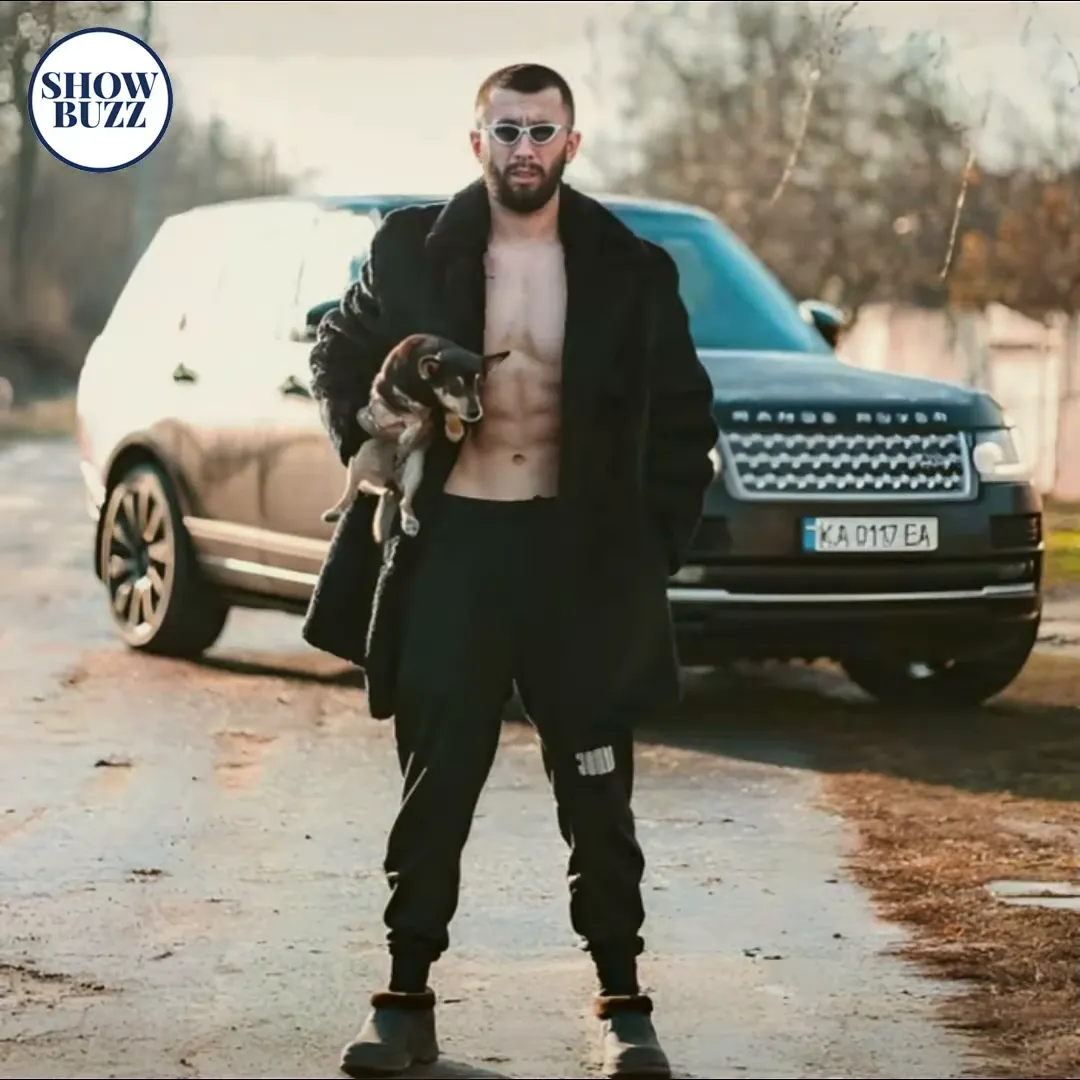
These possessions matter as much as symbols: they reflect the outcomes of his dedication and the financial possibilities of a successful content career. But they are not the essence of his story. The core is still his rise from modest beginnings, the discipline of training, and the ability to turn personality into content that resonates.
Achievements and Career Highlights 🏅
Major milestones in Vladimir's career include:
Regional powerlifting champion (2018)
Third place at the world championship level in Kiev (2018)
Master of Sports of International Class in Powerlifting (2020)
Successful transition from Russian/Ukrainian to English-language YouTube content following relocation to Dubai (2021 onward), where he became widely known as Anatoly
Each of these milestones is a marker of persistence. Titles and podiums require repetition: training, dieting, recovery, and peaking for meets. Likewise, a successful YouTube pivot requires consistent uploads, better production values, and cultural adaptation. The combination of athletic and creative success is why the tagline Shmodenko, fitness, powerlifter is appropriate: it captures both his sporting achievement and his role as a public-facing fitness personality known to millions as Anatoly.
How Vladimir Balances Authenticity and Entertainment 📌
One of Vladimir's strengths is being genuine. Whether he's sharing a raw training session or a staged prank, the content feels anchored by authenticity. He does not try to fake elite knowledge; his lifts and competition history back his guidance. This credibility makes viewers more willing to laugh with him during pranks and to follow his training tips.
For creators and athletes, Vladimir's model suggests a few rules:
Build credibility first: Performance and knowledge create trust. Authentic achievements make humor and persona more believable.
Be strategic with vulnerability: Sharing mistakes, missed lifts, and failures humanizes you and strengthens the audience connection.
Maintain safety and respect: Pranks and stunts should never compromise someone's safety or dignity. Reveal quickly and ensure a positive resolution.
What "Shmodenko, Fitness, Powerlifter" Really Communicates 🤔
When you say Shmodenko, fitness, powerlifter you're really compressing several ideas into three words:
Shmodenko: An identity, a person with a story, name recognition (now largely under the name Anatoly), and a public persona.
fitness: The lifestyle and content focus: training, nutrition, recovery, and the broader wellness culture.
powerlifter: The athletic specialization: strength, technique, competition, and measurable performance metrics.
Together they form a shorthand that describes not just what Vladimir does, but how he is perceived: a relatable athlete who turned fitness into both a competitive career and a content brand under the Anatoly name. The label also hints at the tension he manages daily, between the private work of training and the public work of creating engaging content.
Practical Lessons for Athletes and Creators 📝
From Vladimir's story, you can extract actionable steps whether you are an aspiring lifter or a creator attempting to grow an audience.
Start with fundamentals: For athletes, that means mastering the big lifts. For creators, it means nailing production basics: sound, lighting, and clear storytelling.
Adapt to constraints: Build a gym if none exists. Film with a phone until you can afford better gear.
Invest in credibility: Compete, learn, and document. Experience pays off in audience trust.
Localize then globalize: Start in a familiar language or culture, then expand when ready. Vladimir's shift to English after moving to Dubai is a textbook example.
Keep ethics front and center: Pranks and stunts are powerful but must be handled responsibly.
FAQ Frequently Asked Questions ❓
Who is Vladimir Shmondenko?
Vladimir, widely known online as Anatoly, is a Ukrainian powerlifter and content creator who rose from a rural background to become a titled competitor and a popular YouTuber. He blends powerlifting content with elaborate prank videos and has created channels in multiple languages. The phrase Shmodenko, fitness, powerlifter is a concise label describing his primary public roles.
What are Vladimir's major achievements?
Highlights include regional and world-level podium finishes (2018), and the title of Master of Sports of International Class in Powerlifting earned in 2020. He also gained significant online followings for his workout videos and prank content, mostly under the Anatoly name.
Why did Vladimir move to Dubai?
Geopolitical events in 2021 compelled Vladimir to relocate. Dubai offered safety and opportunities for content creation, though he faced a language barrier that he overcame by learning English and launching content for a broader audience.
What type of content does Vladimir (Anatoly) make?
His content spans training videos, competition recaps, lifestyle clips, and disguised prank videos where he impersonates roles like a janitor, an old man, or a novice coach. The pranks are designed to be humorous rather than malicious.
Can I follow Vladimir for training advice?
Yes, but keep in mind that specific programming should be tailored to your needs. Vladimir emphasizes the basics: progressive overload, consistent practice, and safe technique. Consult qualified coaches when preparing for competition or when addressing injuries.
How can I learn from Vladimir's path?
Three practical takeaways: start with fundamentals; stay consistent; adapt to your environment. Whether building a makeshift gym from tractor parts or learning a new language to expand an audience, the core principles are the same.
Is the content suitable for all audiences?
Most of Vladimir's content is fitness-oriented and comedic. Prank videos may involve surprises but are generally made to be light-hearted. Users sensitive to pranks should preview content first.
Where can I watch his channels?
Search for his channels under the name Anatoly or his given name Vladimir Shmondenko on YouTube, and look for his English-language uploads if you prefer content in English. The channel owner of the referenced video is "هل تعلم".
In closing, Vladimir's journey from a small Ukrainian village to international stages and global digital audiences is a study in persistence, adaptability, and creative risk-taking. The label Shmodenko, fitness, powerlifter, alongside the Anatoly name he's now best known by, captures his strengths: athletic legitimacy, a fitness-first mindset, and a persona that translates into engaging content. Whether you're an aspiring athlete, a budding creator, or simply someone curious about how modern athletes build brands, there are lessons here, about work ethic, authenticity, and the value of embracing change.