

Navy SEAL, Army, Fight, Martial Art, Soldier — What a Karate Black Belt Learned from a SEAL
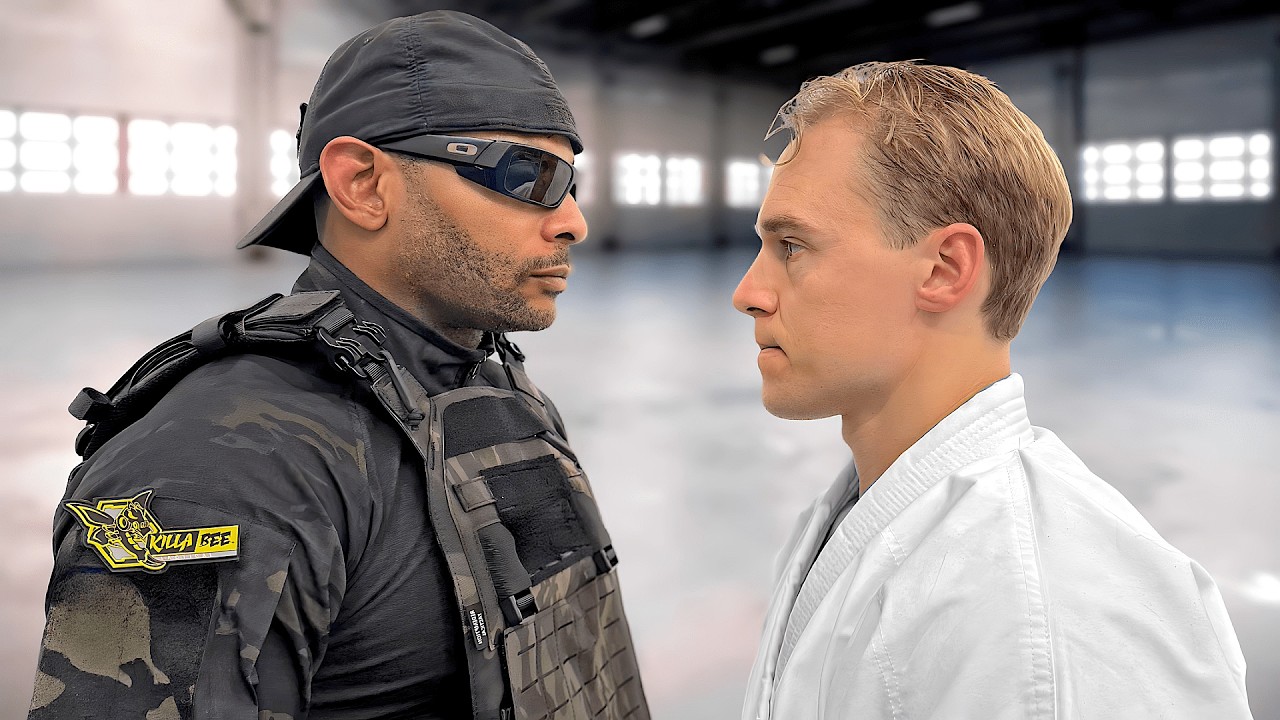
The phrase Navy SEAL, Army, Fight, Martial Art, Soldier sounds like a headline, but it captures the crossroads where traditional martial arts meet practical, tactical combat. I spent a day training with a Navy SEAL fighting expert and walked away with a few simple but powerful ideas that change how you prepare, how you move, and how you think about survival. This article breaks down those ideas into usable concepts you can train, test, and carry into any real-world confrontation. The key here is clarity in chaos — and that’s where the Navy SEAL, Army, Fight, Martial Art, Soldier mindset pays off.
Table of Contents
- 🥋 Fight by Concept, Not Technique
- ✚ Bisecting Lines: The Plus-Sign Concept
- 🧰 Gear, Dope, and Making Data Work
- 🛠 Three Layers of Training
- 🔪 Knife and Ground: The Weapon-Based Reality
- ⛑ Tactical Disengage and the Warrior Mindset
- 🚧 From Perfection to Protection: Training for the Mess
- 🏋️♂️ The O-Course: Tenacity Tested
- ⚔️ Practical Drills to Train These Concepts
- 💡 Lessons That Make You Harder to Kill
- 🏅 Rituals and Rewards: The Patch
- 🧭 Putting It Together: A Sample Training Week
- ❓ Frequently Asked Questions
- 🔚 Final Thoughts
🥋 Fight by Concept, Not Technique
One of the first corrections I got was simple and brutal: fight by concept, not technique. Traditional martial arts often teach isolated techniques: this throw, that block, this kata. But in a chaotic exchange none of those techniques stays pure. The trick is to identify emergent patterns — the principles that repeat across different moves.
Think of a throw. It might look like four different throws on video, but underneath there is the same footwork, the same fulcrum, and the same lever. If you internalize the pattern, you can improvise when the opponent doesn't cooperate. That shift from memorized moves to principles is the same shift between hobby training and a Navy SEAL, Army, Fight, Martial Art, Soldier approach to conflict.
✚ Bisecting Lines: The Plus-Sign Concept
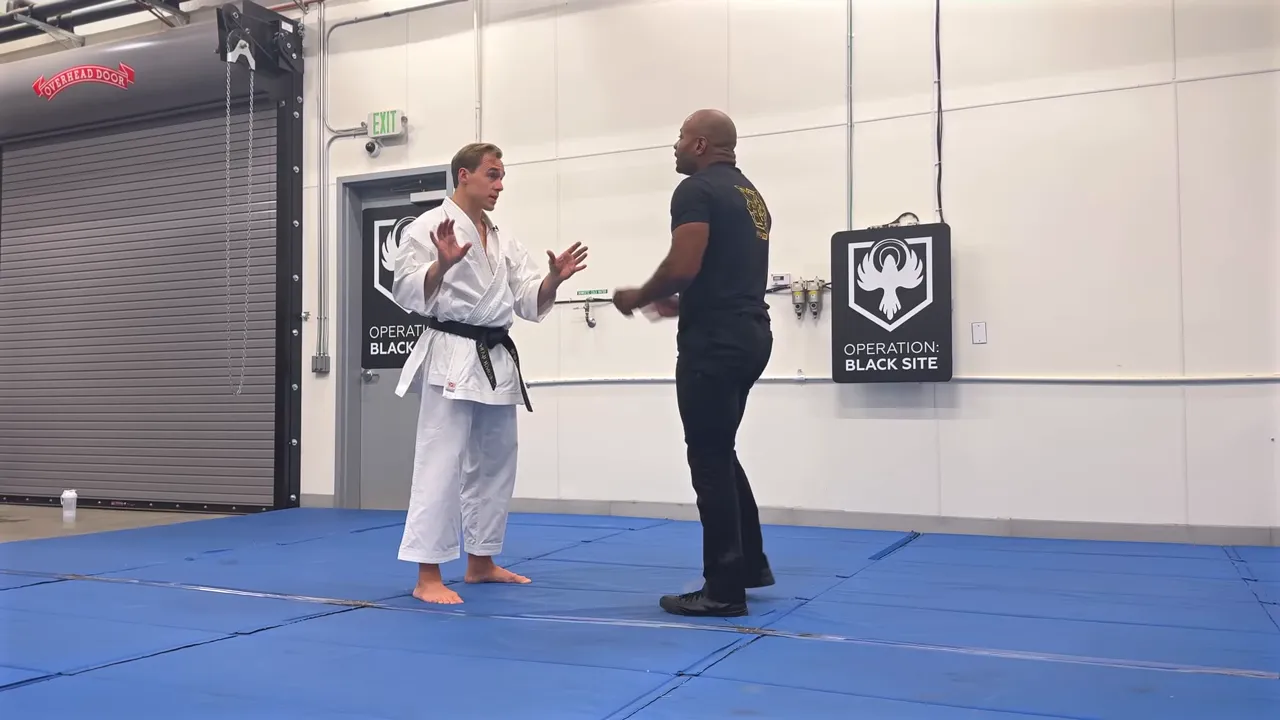
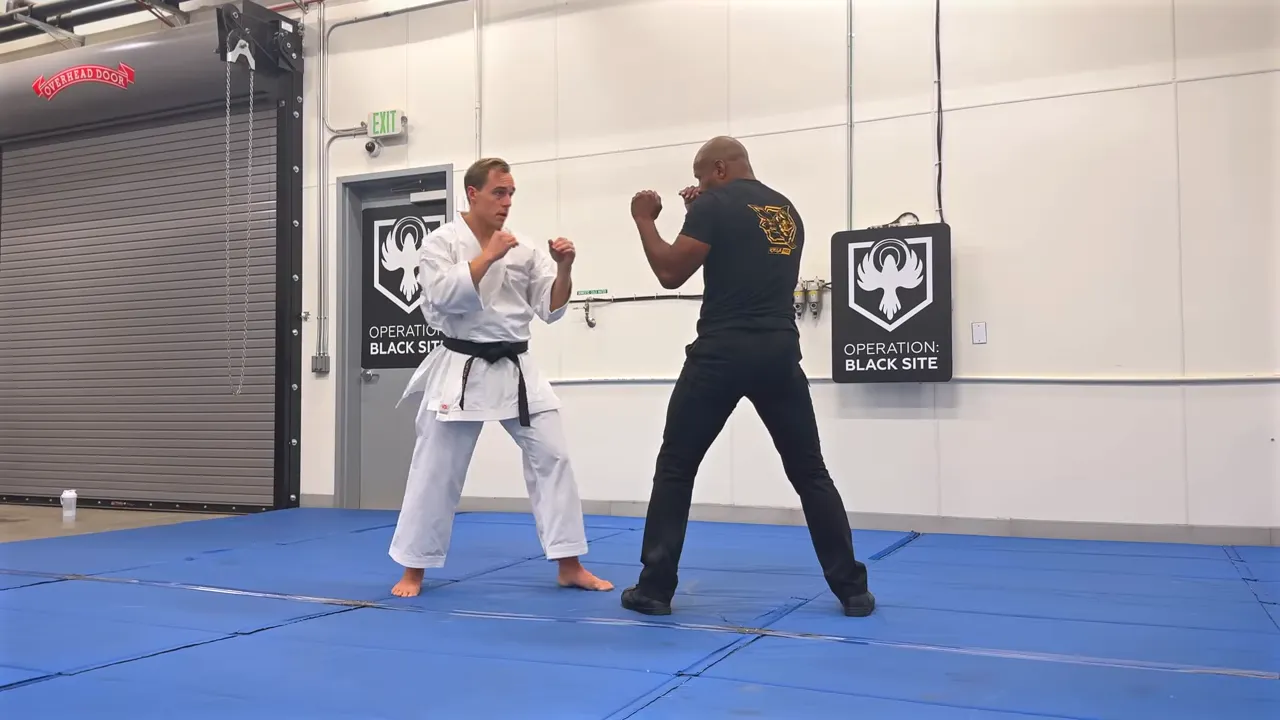
One concrete, repeatable principle is the bisecting line. Picture a plus sign: that jab, that cross, that hook, that leg kick — they are all lines crossing your space. A bisecting line is a defensive posture you put up to neutralize an incoming weapon and immediately transition to offense.
Under stress you rarely remember a fancy sequence. You can, however, remember to make a plus sign and then act. That’s the genius of the approach: simple geometric cues replace complex choreography. When you train like this, even a karate practitioner benefits from the clarity of a Navy SEAL, Army, Fight, Martial Art, Soldier mindset.
🧰 Gear, Dope, and Making Data Work
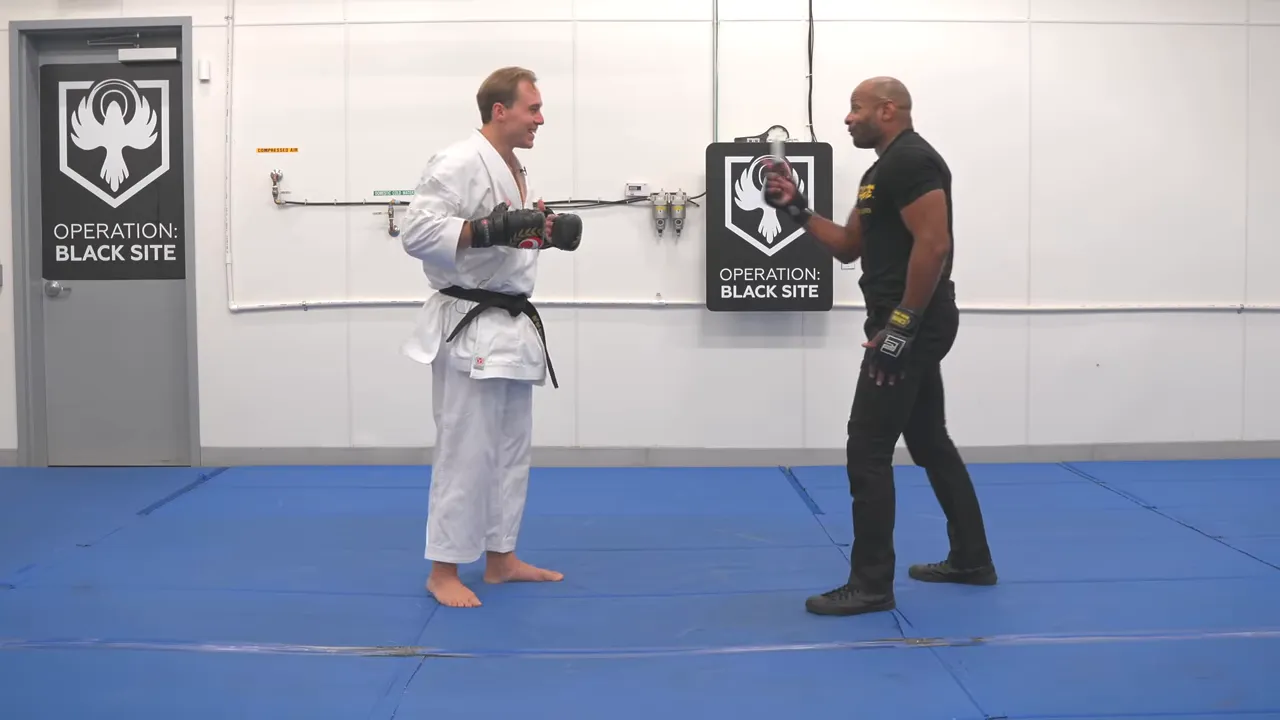
We don gloves and practice catch-and-release drills. The SEALs call this dope — data on previous engagements. The idea is to see patterns: when someone throws a jab they typically follow with a cross; attacking the leg opens another angle. Use past data to predict future behavior. That doesn't mean overthinking — just recognizing which lines your opponent favors and taking their tools offline while getting your tools online.
🛠 Three Layers of Training
Training, as explained, sits on three tiers: technical, tactical, and tenacity. Each layer builds on the last.
- Technical — Form facilitates function. This is peak performance training where body mechanics are drilled until they are flawless.
- Tactical — Applying techniques under messy, uncooperative conditions. Here you learn how to find or create opportunities when the opponent resists.
- Tenacity — Conditioning the mind and body to perform while tired, hurt, and stressed. This is the field training exercise territory where everything gets tested.
Peak performance teaches what to do. Tactical training teaches when and how in chaos. Tenacity makes sure you can still do it when your hands shake and your lungs burn. The Navy SEAL, Army, Fight, Martial Art, Soldier combination is not one of raw power but of layered capability.
🔪 Knife and Ground: The Weapon-Based Reality
Assume a weapons-based environment. That single sentence changes priorities. Ground fighting with a knife is different from sport jiu-jitsu. When a knife is in play and hands naturally come together to defend a submission, control of the weapon-bearing limb becomes critical.
The topside crucifix is a simple example: slide your shin across and staple the attacker’s arm so you control the weapon-bearing limb. From there you maximize your muscle recruitment while minimizing theirs. This is an application of a basic principle: maximize your resources, minimize the opponent’s.
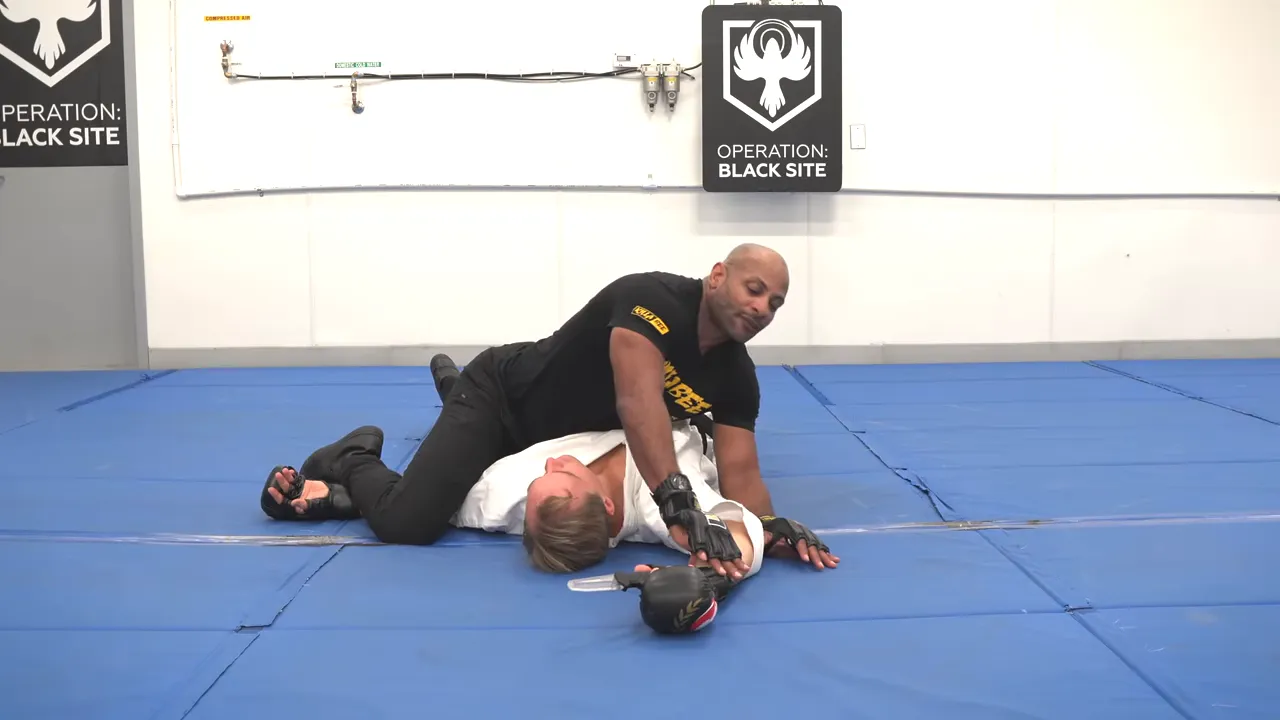
If you can’t separate the hands, trap the blade to the ground or body and gain access. Even a momentary buy creates a chance to reposition, disengage, or dominate. Disengage is a tactical tool, not a moral failing. Leave to re-engage on your terms. That’s the operational logic behind many historical strategies from Khan to Alexander, and it’s exactly what the Navy SEAL, Army, Fight, Martial Art, Soldier approach emphasizes.
⛑ Tactical Disengage and the Warrior Mindset
Disengaging is different from fleeing. The goal is survivability and re-engaging on favorable terms. The SEAL philosophy includes a hard-edged line about metrics and mindset: measure success, then repeat what works. And never forget the word until.
Until. Keep fighting until you are too tired, until you are out, until you are free, until you are victorious. It’s not drama; it’s a practical anchor that instills persistence when everything hurts. The mental edge — the until mindset — is what separates someone who cracks under pressure from someone who keeps generating options.
🚧 From Perfection to Protection: Training for the Mess
In controlled drills everything can look perfect: timing, mechanics, sequence. But real conflict devolves into mess. The right training shifts from perfection toward protection — doing the best with the resources available under stress. That’s where emergent patterns — bisecting lines, outside line movement, controlling weapon-bearing limbs — become valuable. They’re small, repeatable choices that scale under pressure.
🏋️♂️ The O-Course: Tenacity Tested
After instruction comes the field test: an obstacle course with live combatives. This is not about winning a trophy. This is about applying the concepts when your legs burn and your grip fails. You have to maintain the core habits: catch and shoot, convert to two-on-one grips, work to the outside line, pummel for position, and disengage when necessary.
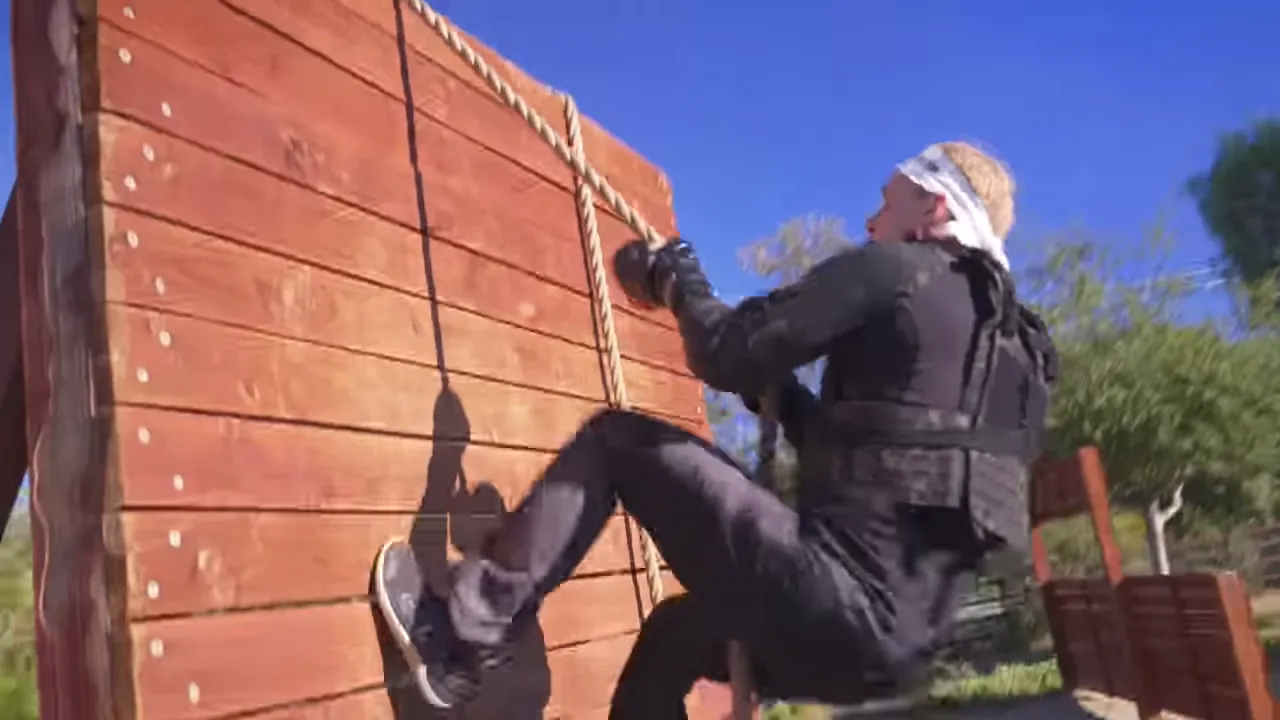
The O-Course forces a transition from intellectual acceptance of a concept to muscle memory under fatigue. It pushes you from peak performance to optimal performance. You stop trying to be fancy; you start doing what’s effective.
⚔️ Practical Drills to Train These Concepts
Training should be specific. Here are drills you can integrate into sessions to bridge technique and chaos.
- Bisect-and-Release: Pair up. One partner throws simple lines. The defender practices put-up-a-plus-sign, catch, release, then immediate counter. Repeat 50 times per side.
- Outside Line Ladder: Working footwork only, partner steps to intercept while you move them to the outside line. Emphasize foot placement and angles.
- Two-on-One Chaos: Start from clinch. One person randomly pummels, the other tries to establish a two-on-one and transition to outside line control.
- Topside Crucifix Drill: From ground position, practice sliding the shin and stapling the weapon-bearing arm. Add resistance slowly.
- FTX Mini: Short obstacle course with a combative station at each interval. Perform under elevated heart rate to simulate fatigue.
Do these consistently and you’ll build the tactical bridge between traditional forms and operational application. The Navy SEAL, Army, Fight, Martial Art, Soldier focus is on repeatable, high-probability actions, not theatrical perfection.
💡 Lessons That Make You Harder to Kill
What separates survive-from-fight-from-thrive? A handful of distilled lessons from the day:
- Principles over memorized techniques: Recognize patterns and move off principles.
- Bisecting lines reduce complexity into an actionable defensive posture.
- Get tools online while taking the opponent’s tools offline.
- Control the weapon-bearing limb in weapons-based encounters.
- Tactical disengage is a tool to re-engage on your terms.
- Until — a mindset that insists you continue until an objective threshold is reached.
These are not flashy. They’re functional. They are the kind of small changes that, when practiced, change outcomes. If you want to merge karate discipline with a soldier’s practicality, these are the building blocks.
🏅 Rituals and Rewards: The Patch
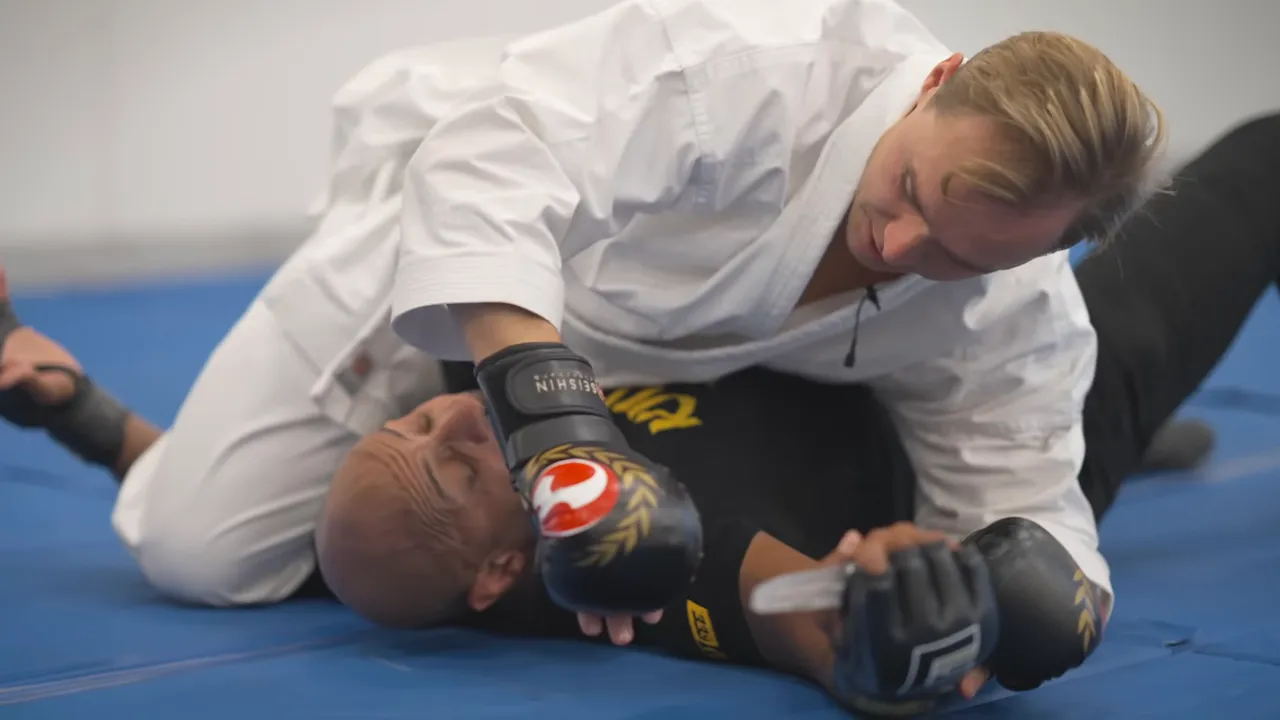
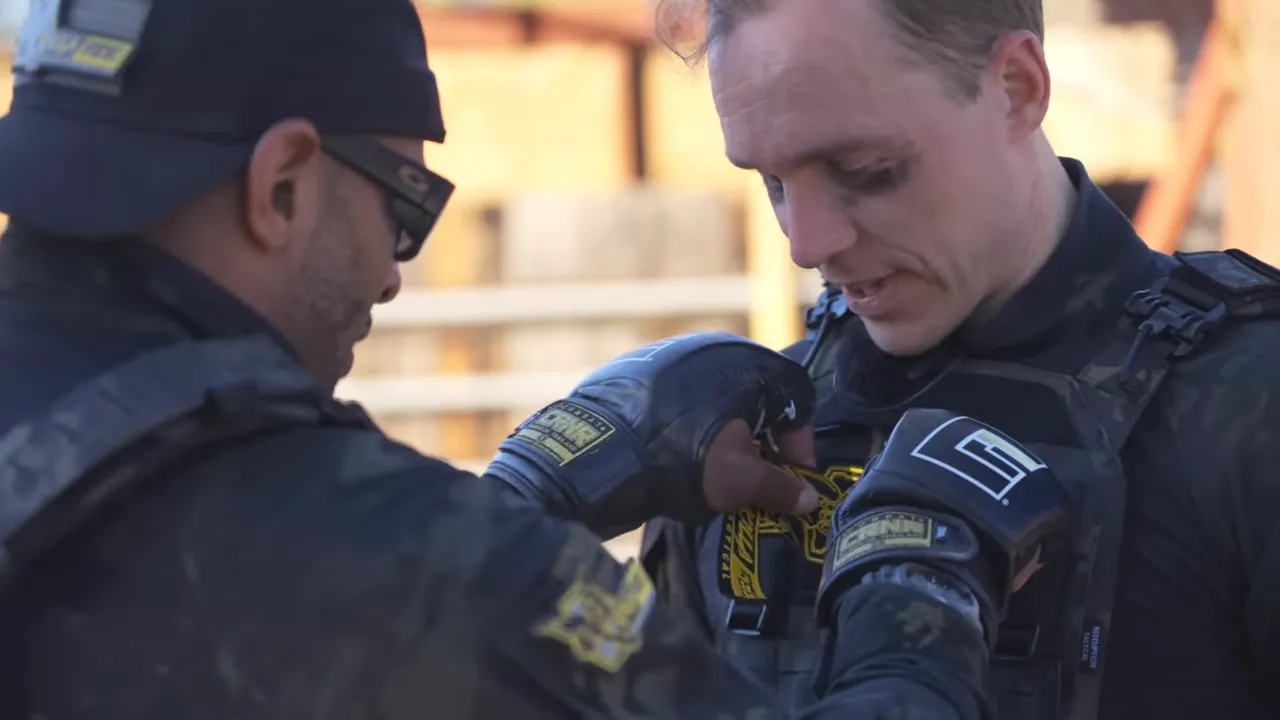
At the end of the FTX came a small ritual — an honorary patch. Symbolic gestures like this matter. They mark a transition: you trained, you were tested, you adapted. They don’t make you better by themselves, but they add meaning and accountability to the grind. That culture is important in any serious training program, whether martial art or military.
🧭 Putting It Together: A Sample Training Week
Here’s a pragmatic weekly plan blending technical polish and tactical chaos.
- Monday — Technical: Drilling bisecting lines, footwork, and lever mechanics (60 minutes).
- Wednesday — Tactical: Partner chaos, two-on-one, outside-line transitions, and limited-sparring (60 minutes).
- Friday — Weapons Awareness: Knife retention, topside crucifix practice, and trap-to-ground drills (60 minutes).
- Saturday — FTX: Short obstacle course or conditioning circuit with combative stations to practice under fatigue.
Stick to this structure for three months and you’ll notice the difference in clarity and resilience. It’s the same logic that turns a martial artist into someone ready for real-world threats — a core of principles, practiced under stress, refined by tenacity. That is the essence of the Navy SEAL, Army, Fight, Martial Art, Soldier approach.
❓ Frequently Asked Questions
How do bisecting lines work against different types of attacks?
Bisecting lines are geometry made practical. Whether the incoming tool is a jab, hook, cross, or kick, the plus-sign posture neutralizes the attack vector and immediately opens a line for a counter. The goal is to disrupt the attacker’s rhythm and create a path to offense.
Is this training only useful for military or law enforcement?
No. While the methods are informed by military practice, the principles apply to anyone serious about surviving violent encounters: civilians, martial artists, and coaches. The emphasis on simplicity, pattern recognition, and tactical disengage benefits all practitioners.
Can traditional martial artists adapt quickly to this method?
Yes, especially those willing to move from technique-focused repetition to scenario-based practice. Traditional forms provide a technical foundation, but adding messy, combative drills bridges the gap to practical application.
How do you train for knife scenarios without being reckless?
Start slow with controlled rubber knives and escalate resistance gradually. Focus on positional control, separating hands, and trapping the blade. Use protective gear and a qualified instructor to ensure safety during progressive exposure.
What does “until” mean in practical terms?
Until is a decision point, not a slogan. It means commit to continuing action until a specific threshold: safety, escape, incapacitation of the attacker, or total exhaustion. It keeps you proactive and prevents premature surrender under pressure.
🔚 Final Thoughts
The intersection of a karate background and a Navy SEAL, Army, Fight, Martial Art, Soldier framework is not a battle of ego. It’s a synthesis. Use the discipline of forms to build technical excellence, then layer tactical drills and tenacity training so those techniques survive the chaos of a real confrontation.
If you walk away with nothing else, remember this: simplicity scales under stress. Make clarity out of chaos by training the few concepts that matter most. Bisecting lines. Outside-line movement. Control of weapon-bearing limbs. Tactical disengage. And never underestimate the power of one word — until.