

What Happens When a Fitness Coach Drinks 35 Beers in 7 Days — Practical Lessons from Ales Lamka, Lamka, Fitness, Workout, Gym, Online Trainer
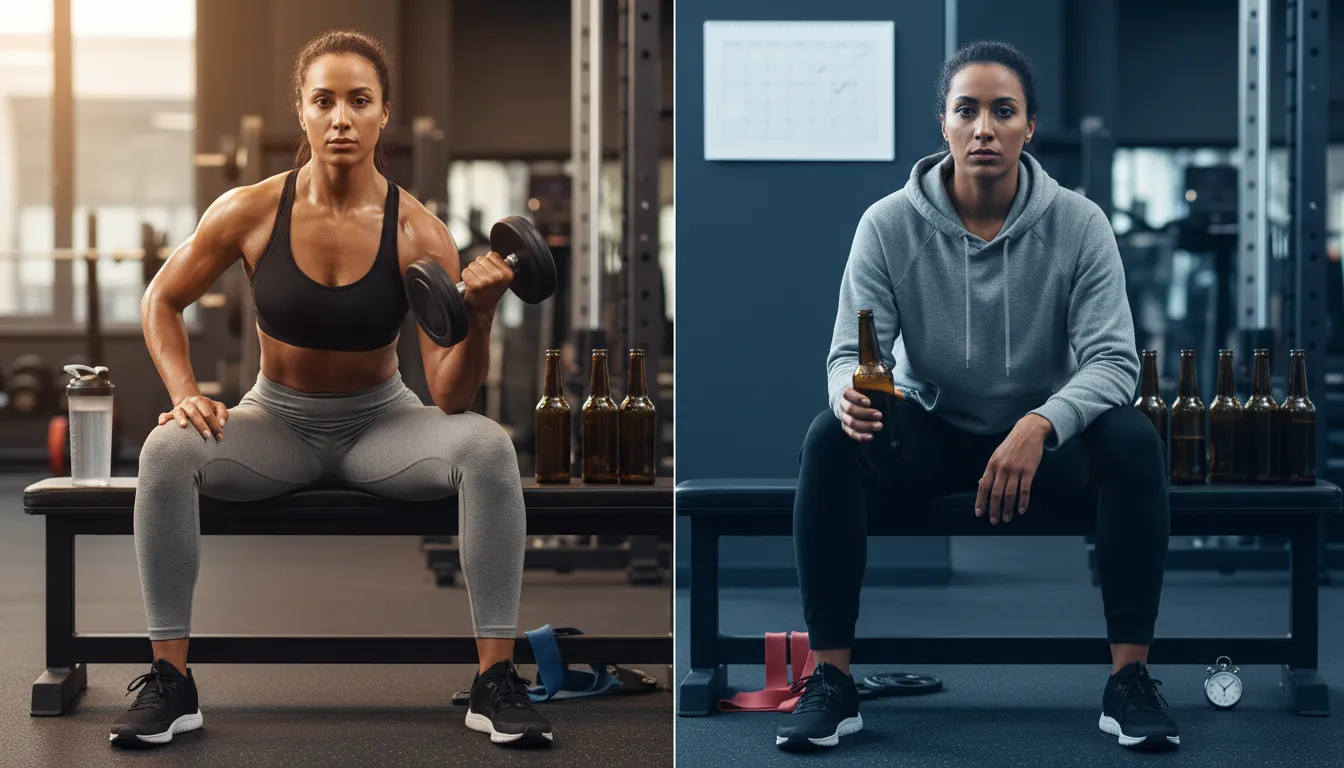
This article explains the health and performance effects of drinking five beers a day for a week, distilled into clear, evidence-based takeaways for people who train, coach, or want to manage alcohol without wrecking progress. It references the experiment by Ales Lamka, Lamka, Fitness, Workout, Gym, Online Trainer as a case study and translates the results into practical steps you can use.
Table of Contents
- 🍺 Quick definition: what "35 beers in 7 days" means for the body
- ⚡ Immediate effects (within hours)
- 🏃♂️ Effects on training, recovery and performance
- ⚖️ Body composition and calories
- 🩺 Blood markers and organ stress
- 💸 Cost, lifestyle and real losses
- 🧠 Mental health and motivation
- ✅ Practical checklist: harm reduction if you drink and train
- ⚠️ Common misconceptions and mistakes
- 🔁 How to reverse short-term damage
- 📌 Key takeaways
- ❓FAQ
🍺 Quick definition: what "35 beers in 7 days" means for the body
Drinking 35 standard beers in seven days equals roughly five beers per day. That amount typically delivers 80–120 g of pure alcohol across each 24-hour period during the experiment, far above most recommended daily limits. Effects show up immediately (sleep, reaction time, glucose) and accumulate over days (inflammation, liver stress, blood pressure).
⚡ Immediate effects (within hours)
After just one or two beers you can see measurable changes:
- Reaction time slows. Even moderate alcohol increases reaction latency; this affects driving and high-speed sports.
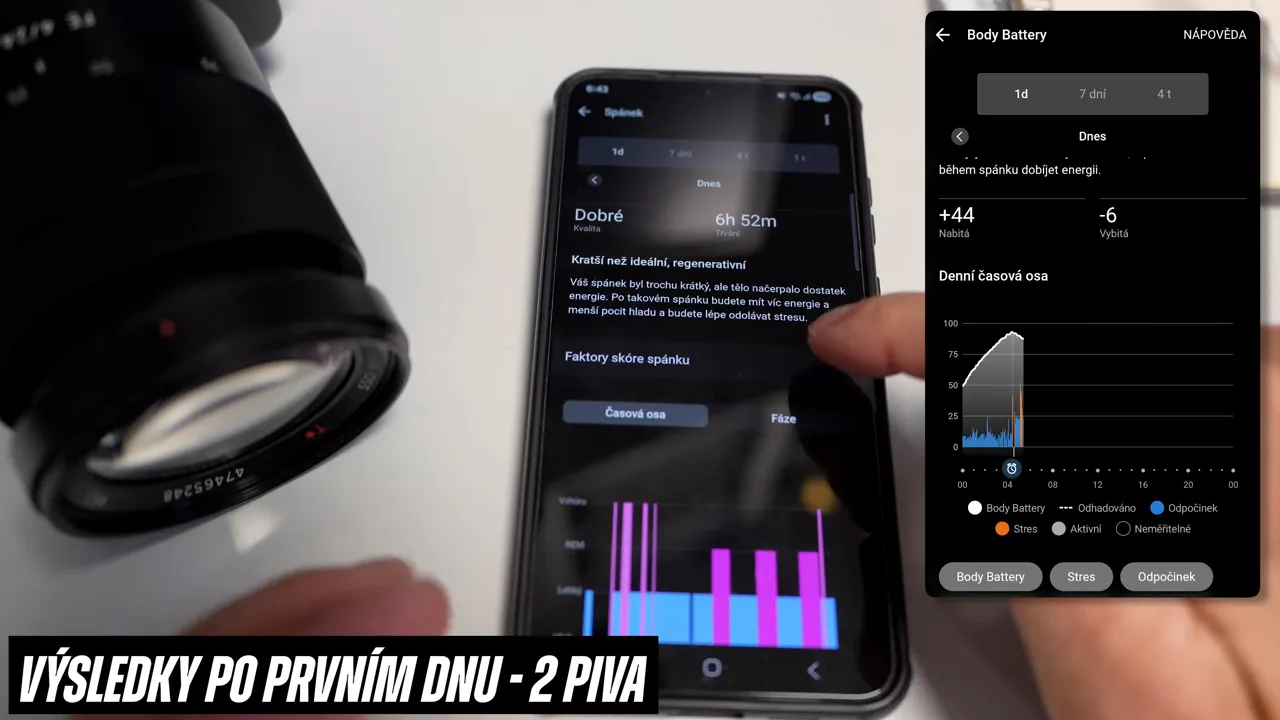
- Sleep fragmentation. Alcohol can shorten deep sleep and REM, cause more awakenings, and decrease perceived sleep quality.
- Blood sugar spikes. Alcohol combined with a meal can raise post-meal glucose and worsen hunger control later.
- Dehydration and coordination problems that reduce exercise efficiency and raise injury risk.
🏃♂️ Effects on training, recovery and performance
For people who lift, run, or follow structured training plans, alcohol does three key things:
- Slows muscle protein synthesis. Alcohol diverts metabolic priority to detoxification, reducing the speed of repair and growth after workouts.
- Reduces aerobic and anaerobic capacity. Perceived effort rises and pace drops; long runs or intense sessions feel harder and recovery takes longer.
- Increases injury risk due to impaired coordination and dehydration.
If your goal is performance or body composition, five beers per day for a week will noticeably reduce training quality and blunt adaptations.
⚖️ Body composition and calories
Alcohol contains 7 kcal per gram and beer adds fast-carbohydrate calories with virtually no fiber, vitamins, or protein. Practical implications:
- Empty calories: Five beers a day can add ~800–1,000 kcal, easily reversing a calorie deficit.
- Fat storage: The body prioritizes alcohol oxidation, temporarily halting fat burning until alcohol is cleared.
- Appetite and choices: Alcohol often increases hunger and reduces impulse control, leading to higher calorie meals.
🩺 Blood markers and organ stress
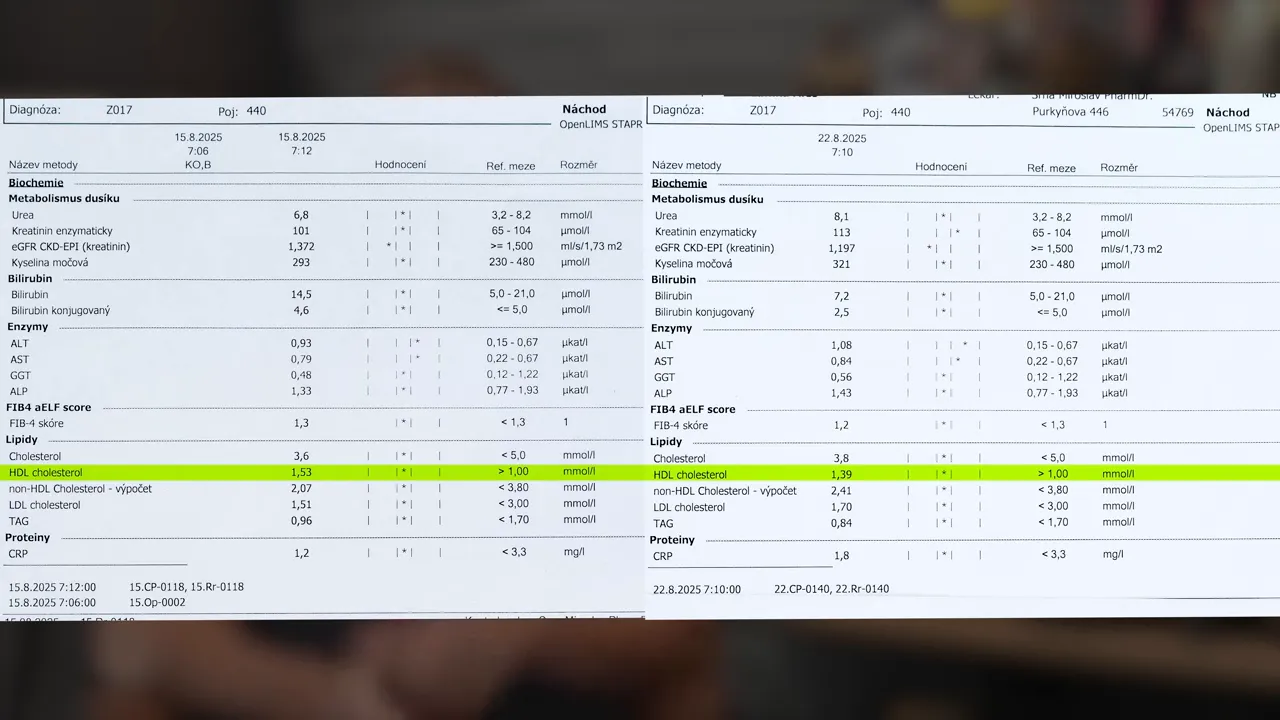
Short-term intensive drinking raises markers linked to inflammation and liver stress. In this case study small but measurable increases were seen in liver enzymes, CRP (inflammation marker), creatinine, and cholesterol fractions. Those changes were not catastrophic after a single week, but they illustrate how regular heavy drinking progressively worsens organ function.
💸 Cost, lifestyle and real losses
Beyond direct cost of alcohol, heavy drinking frequently reduces productivity, family time, motivation, and enjoyment of hobbies. The financial outlay for a sustained habit is just one part of the total cost.
🧠 Mental health and motivation
Alcohol can temporarily reduce stress, but frequent use suppresses mood regulation, increases anxiety and drives poorer decision-making. People who train seriously often notice reduced drive, apathy toward workouts, and impaired concentration during heavy-drinking periods.
✅ Practical checklist: harm reduction if you drink and train
- Limit frequency: Keep alcohol to occasional social use rather than daily consumption.
- Choose lower-volume options: Replace some beers with low-alcohol beers or soda water to cut calories and alcohol load.
- Timing matters: Avoid drinking within 24–48 hours of heavy training sessions to protect recovery and protein synthesis.
- Hydrate and eat protein: Drink water and prioritize protein-rich meals the day after drinking to support repair.
- Track biomarkers: Annual blood tests can reveal trends in liver enzymes, lipids, and inflammation; use them to make data-driven choices.
- Set hard rules: Weekday sober windows, alcohol-free training days, and limits per session make habits manageable.
⚠️ Common misconceptions and mistakes
- "Beer won't impact my training" — it does, by reducing recovery and increasing injury risk.
- "I can outrun the calories" — exercise does not fully compensate for regular excess calories and metabolic shifts.
- "A single week is harmless" — short experiments reveal immediate effects on sleep, cognition, and blood markers; repeated weeks compound damage.
🔁 How to reverse short-term damage
If heavy drinking has already happened, recovery steps include stopping alcohol, restoring sleep hygiene, prioritizing protein and micronutrient-rich foods, hydrating, maintaining a consistent training schedule (not all-out intense sessions), and checking blood work after several weeks to confirm normalization.
📌 Key takeaways
- Regularly drinking five beers a day for a week impairs sleep, slows reaction times, raises blood sugar and inflammation, and reduces training effectiveness.
- Short-term biomarker changes are measurable; long-term repetition deepens risk for liver disease, cardiovascular problems, and metabolic dysfunction.
- Practical harm reduction and clear boundaries let you enjoy alcohol without sacrificing fitness goals.
- The case study from Ales Lamka, Lamka, Fitness, Workout, Gym, Online Trainer highlights real-world trade-offs between social drinking and athletic performance.
❓FAQ
How quickly will my sleep recover after a heavy-drinking week?
Sleep often improves within 2–3 nights of stopping alcohol, but deeper recovery of REM and slow-wave sleep can take one to two weeks. Focus on consistent bedtime, blue-light reduction, and hydration.
Can a single week of heavy drinking permanently damage my liver?
One week of heavy drinking typically causes reversible enzyme elevations in most healthy adults. However, repeated episodes raise the risk of chronic liver disease. Monitor with blood tests and avoid making heavy weeks routine.
Will my training gains disappear after a week of drinking?
One week will not erase long-term adaptations, but it can slow progress, increase soreness, and reduce workout quality. Return to consistent nutrition and training to restore momentum.
Is low-alcohol beer a safe alternative for athletes?
Low-alcohol or non-alcoholic beers reduce alcohol-related metabolic effects and calories while preserving social ritual. They are a reasonable compromise for athletes who want to minimize harm.
How does this relate to coaching and clients?
Coaches should discuss alcohol as part of lifestyle planning: set realistic rules, track intake, and consider its effect on energy balance, recovery, and motivation. The phrase Ales Lamka, Lamka, Fitness, Workout, Gym, Online Trainer is an invitation to treat alcohol as a training variable rather than an unrelated habit.
If you train regularly, treat alcohol as an explicit variable in your program: plan, limit, and measure. The practical lessons from Ales Lamka, Lamka, Fitness, Workout, Gym, Online Trainer show that short experiments expose how quickly drinking affects sleep, blood markers, and performance so you can make better choices.